

A child’s bite can affect chewing, brushing, speech, and the way teeth wear over time. Crowded teeth, spacing, and jaw alignment concerns may start small, then become harder to manage as a child grows.
Starlet Kids Dentistry provides Orthodontics for children and teens in San Fernando, CA. Dr. Golshid Shakouri Partovi and the team evaluate tooth position, jaw growth, and bite function, then guide families through treatment options that fit each child’s dental needs and stage of development.
Orthodontics is the part of dental care that focuses on tooth position, bite alignment, and jaw development. The goal is to help the teeth and jaws work together in a healthier way. This may involve braces, clear aligners, or other appliances that place gentle pressure on the teeth over time.
Children and teens may need orthodontic care for crowded teeth, crooked teeth, gaps, overbites, underbites, crossbites, open bites, or jaw growth concerns. Some children need early monitoring long before treatment begins. Others may be ready for braces or clear aligners when more adult teeth have come in.
An orthodontic evaluation helps Dr. Partovi look at how the teeth are erupting, how the bite fits together, and whether the jaws are growing in a balanced way. This information helps parents understand if treatment is needed now, later, or not at all.
Orthodontic care supports more than appearance. Straighter teeth are often easier to clean. A better bite can make chewing more comfortable and reduce uneven stress on certain teeth. For many children, treatment can support both oral health and self-confidence.
Tooth and jaw alignment concerns can affect children in different ways. Some issues are easy to see, such as crowding or gaps. Others may be noticed during a dental exam, such as a bite that does not fit together well.
A bite problem means the upper and lower teeth do not meet in a balanced way. This can include an overbite, underbite, crossbite, or open bite. A poor bite may make chewing harder and may place extra pressure on certain teeth. Orthodontic treatment can help guide the teeth and bite into a healthier position. This may protect the teeth from uneven wear and support better jaw function as your child grows.
Crowding happens when there is not enough room for teeth to sit in a better position. Crowded teeth may overlap, twist, or come in at angles. These areas can be harder to brush and floss well.
When crowded teeth are easier to clean, children may have a lower risk of plaque buildup between teeth and near the gums. Orthodontic treatment can help create a cleaner, more even tooth arrangement.
Some children have gaps between teeth due to tooth size, jaw size, missing teeth, habits, or natural growth patterns. Small spaces may close as more teeth come in, but larger gaps may need attention. Orthodontic care can help close spaces when needed and improve how teeth contact each other. This may support better function and a more balanced smile.
Children and teens can become very aware of crooked teeth, gaps, or bite concerns. Some may hide their smile in photos or feel uncomfortable speaking in groups. Orthodontic treatment can help improve smile appearance as well as function. Feeling better about the smile can help children feel more comfortable in school, activities, and social settings.
Some orthodontic concerns are mild and only need monitoring. Others can become more difficult to treat if they are not evaluated during growth.
Crowded teeth may trap plaque in areas that are hard to reach. This can raise the risk of cavities, gum irritation, and bad breath. Bite concerns may place uneven pressure on teeth, which can lead to enamel wear or jaw discomfort.
A crossbite or other jaw-related issue may affect how the jaws develop if it is left alone during key growth years. Some children may develop chewing patterns that place strain on the teeth or jaw joints.
Delayed evaluation can also mean that treatment becomes more involved later. An early orthodontic check does not always mean braces right away. It gives parents a clearer plan for timing, growth, and treatment options.
Starlet Kids Dentistry provides orthodontic evaluations and treatment planning for children and teens. Dr. Partovi checks tooth position, bite function, and jaw growth before recommending any option.
The first visit includes a careful look at your child’s teeth, bite, gums, and jaw development. Digital images may be used to see tooth roots, adult teeth, and bone structure. Parents can share concerns about crowding, spacing, habits, chewing, speech, or smile appearance. Dr. Partovi explains what she sees and whether treatment should begin now or be monitored over time.
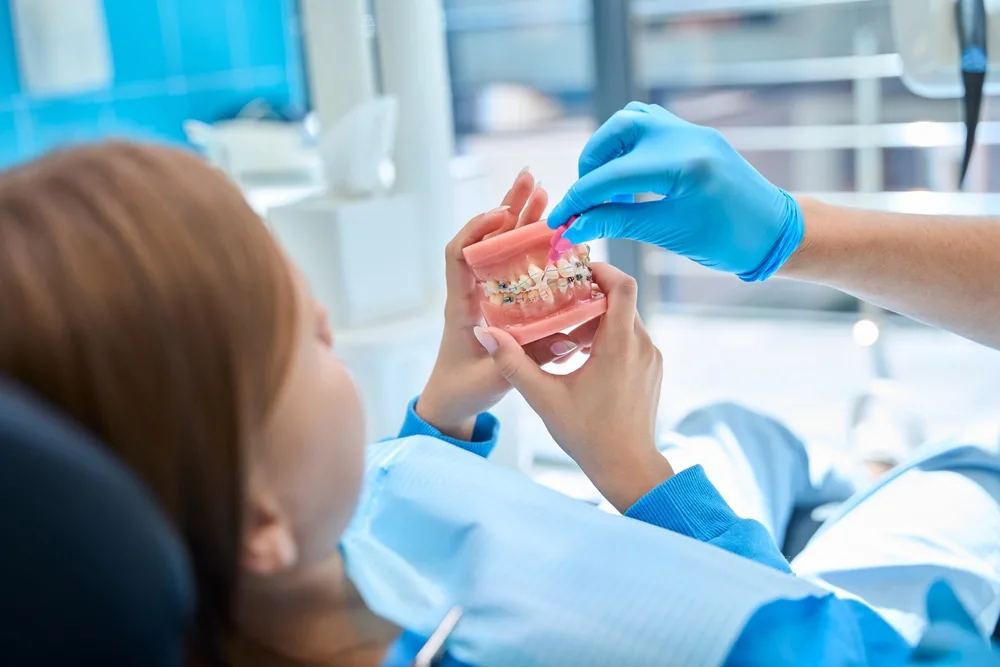
Traditional braces may be recommended for children and teens who need strong control over tooth movement. Braces use brackets and wires to guide teeth into better positions over time. Some patients may be candidates for lingual braces, which are placed behind the teeth. Others may be candidates for Invisalign clear aligners, depending on age, responsibility, tooth movement needs, and bite concerns.
Each treatment plan is based on the child’s growth, dental development, oral hygiene, and comfort level. Dr. Partovi explains the expected timeline, appointment schedule, home care needs, and what parents can do to support treatment. Teens using clear aligners must wear them as directed for treatment to work well. Children with braces need help avoiding hard or sticky foods and keeping their teeth clean around brackets.
After braces or aligners, retainers help hold teeth in their new positions. Teeth can move back if retainers are not worn as directed. Dr. Partovi explains how often the retainer should be worn, how to clean it, and when replacement may be needed. Retainers are an important part of protecting the results of orthodontic care.
Families want orthodontic care that is clear, careful, and centered on the child’s long-term oral health. Starlet Kids Dentistry provides advice that helps parents understand both the timing and purpose of treatment.
Dr. Partovi evaluates the full mouth before recommending orthodontic care. Tooth position, bite function, jaw growth, airway-related concerns, oral habits, and hygiene needs may all play a role in planning. This careful approach helps families understand the reason for treatment and the best timing for their child.
Some children need early monitoring. Some need braces for detailed correction. Some teens may prefer clear aligners if they can wear them responsibly. The team explains which options fit your child’s case and which may not be appropriate. This helps families make informed choices without feeling rushed.
Orthodontic treatment takes time and regular visits. The team helps children understand each step, manage soreness after adjustments, and care for their teeth during treatment. Parents receive advice about brushing, flossing, food choices, mouthguards, and retainer care. This support helps children stay on track throughout treatment.
Dr. Partovi speaks English, Spanish, and Farsi. This helps families ask questions, review treatment plans, and understand home care instructions more clearly. Clear communication is helpful when parents are comparing options, reviewing timelines, and supporting a child through orthodontic care.
Orthodontic care can help children and teens improve tooth alignment, bite balance, brushing access, and smile confidence. A careful evaluation can show whether treatment is needed now or should be monitored as your child grows.
Starlet Kids Dentistry provides Orthodontics for children and teens in San Fernando, CA, with thoughtful planning and clear family advice. Book your child’s Orthodontics consultation in San Fernando, CA with Starlet Kids Dentistry today.
Many children benefit from an orthodontic evaluation around age seven. This does not always mean treatment starts right away, but it helps the dentist monitor tooth eruption and jaw growth.
Orthodontics can help with crowded teeth, gaps, crooked teeth, overbites, underbites, crossbites, open bites, and certain jaw growth concerns.
No. Some children or teens may be candidates for clear aligners or other appliances. The right option depends on the bite, tooth movement needs, age, and responsibility level.
Treatment time depends on the complexity of the case. Many children and teens need treatment for 12 to 24 months, but some cases may take less or more time.
Braces and aligners should not cause sharp pain. Mild soreness or pressure is common after adjustments or new aligners, and it usually improves within a few days.
Yes. Children can play sports during orthodontic treatment, but a mouthguard is recommended to protect the teeth, lips, cheeks, and appliances.
Your child should brush carefully around brackets and wires and floss daily with tools made for braces. The team can show your child how to clean these areas during the visit.
Retainers hold teeth in their new positions after treatment. Without a retainer, teeth may move back toward their old positions over time.
Still have questions? Reach out now
Call Starlet Kids Dental at (818) 334-5572 for more information on booking an appointment, or fill out the form below and we will reach out to you!