


A cavity does not always need a large restoration. Many children have small or moderate areas of decay that can be treated with a careful filling approach focused on preserving healthy tooth structure. For parents, that can mean a shorter visit, a more natural-looking result, and a treatment plan built around the long-term strength of the tooth.
Starlet Kids Dentistry provides Minimally Invasive Filling treatment for children in San Fernando, CA. Dr. Golshid Shakouri Partovi and the team use precise evaluation, child-friendly care, and tooth-colored materials to repair cavities with as little impact on healthy enamel as possible.
A Minimally Invasive Filling is a cavity restoration that removes decayed tooth structure and keeps as much healthy enamel and dentin as possible. The goal is not to make a larger opening than needed. The goal is to clean the damaged area, seal the tooth, and restore normal chewing with a conservative repair.
This approach is different from older filling methods that often required extra drilling to shape the tooth for the filling material. With bonded tooth-colored composite resin, Dr. Partovi can prepare a smaller area because the material attaches directly to the tooth. The composite is then shaped and polished so it fits the bite and blends with nearby enamel.
Minimally invasive care can be used for many small to moderate cavities in baby teeth and permanent teeth. It may not be the right option for every cavity. A very deep cavity, a fractured tooth, or a tooth with nerve involvement may need a crown, pulp therapy, or another treatment. Dr. Partovi will explain which option fits your child’s tooth.
A conservative filling may be recommended when decay is present, but the tooth can still be repaired without removing a large amount of healthy structure. This can support comfort, appearance, and long-term tooth strength.
Healthy enamel and dentin cannot grow back after they are removed. A smaller preparation helps keep more of the tooth intact. This matters for children because their teeth still need to support chewing, speech, spacing, and oral development. Preserving tooth structure today may reduce the chance of needing more involved dental care later.
Many children feel nervous about dental treatment. A smaller filling can mean less drilling time and a shorter appointment. Some children may still need numbing, but the overall visit can feel more manageable when the treatment area is limited. A calmer experience may help children feel more comfortable returning for future dental care.
Tooth-colored composite resin is selected to match the shade of your child’s tooth. Once placed, shaped, and polished, the filling can blend with the surrounding enamel. This is helpful for front teeth and visible areas, but it can also be used for many back teeth when the cavity size and chewing pressure are appropriate.
A filling does more than close a hole. The composite bonds to the tooth and creates a seal that helps protect the repaired area. Good bonding can help reduce the risk of bacteria entering the space around the restoration. Regular brushing, flossing, and dental visits remain important for keeping the filling and nearby tooth structure healthy.
A small cavity can become a larger cavity when it is not treated. Decay can move through enamel into dentin, then toward the pulp, where the nerves and blood vessels are located. Once the pulp is affected, a simple filling may no longer be enough.
Untreated decay can cause tooth pain, sensitivity, swelling, difficulty chewing, or infection. In a baby tooth, severe decay can affect the tooth’s ability to hold space for the adult tooth. In a permanent tooth, deeper decay can weaken the tooth and increase the need for larger restorations.
Early treatment gives Dr. Partovi a better chance to use a smaller, more conservative repair. A timely filling can protect your child’s comfort and help preserve more of the tooth.
Starlet Kids Dentistry provides conservative cavity repair in a pediatric setting. The team explains the process clearly and works at a pace that supports your child’s comfort.
The visit begins with an exam of your child’s teeth, gums, bite, and symptoms. Digital images may be used to check the size and depth of the cavity. Dr. Partovi will determine whether a Minimally Invasive Filling is appropriate or if the tooth needs another type of care. Parents can ask about the cavity, the filling material, numbing, expected timing, and home care. Dr. Partovi explains the treatment before the procedure begins.
Comfort planning depends on your child’s age, anxiety level, cavity size, and tooth location. The area may be numbed before treatment so your child stays comfortable. The team uses simple language and gentle guidance to help children understand what is happening without making the visit feel overwhelming.
Dr. Partovi removes the decayed portion of the tooth with a careful, controlled technique. Healthy tooth structure is preserved whenever possible. After the cavity is cleaned, the tooth is prepared for composite bonding.
The tooth-colored filling material is placed in layers, shaped to match the natural tooth, and hardened with a curing light. Dr. Partovi then checks the bite and polishes the restoration so it feels smooth.
Your child may have mild sensitivity for a short time after the filling. Soft foods may be helpful if the tooth feels tender. Very hard or sticky foods should be limited right after treatment, especially if your child is adjusting to the restored tooth. The team will explain brushing, flossing, diet habits, and follow-up care. Routine dental visits help Dr. Partovi monitor the filling and check for new cavities.
Families want cavity care that repairs the tooth without unnecessary removal of healthy structure. Starlet Kids Dentistry provides careful pediatric dental treatment with a focus on comfort, communication, and long-term oral health.
Dr. Partovi evaluates the tooth before choosing a restoration. She considers cavity size, depth, tooth type, bite pressure, age, and cooperation level. The treatment plan is based on what the tooth needs, not a standard template.
Composite resin can blend with natural enamel and bond directly to the tooth. This helps create a restoration that looks natural and supports the remaining structure. Dr. Partovi selects the material based on the tooth’s location and the amount of repair needed.
Children may need extra reassurance during cavity treatment. The team uses a steady pace, calm explanations, and comfort-focused techniques to help young patients feel supported. Positive dental visits can make future care easier.
Dr. Partovi speaks English, Spanish, and Farsi. This helps families discuss findings, treatment options, aftercare, and prevention steps in a clear and comfortable way.
A Minimally Invasive Filling can repair a cavity while preserving more of your child’s healthy tooth structure. Early care may help keep the restoration smaller and reduce the risk of pain, infection, or more involved treatment later.
Starlet Kids Dentistry provides Minimally Invasive Filling treatment in San Fernando, CA, with careful diagnosis, tooth-colored materials, and gentle pediatric support. Book your child’s Minimally Invasive Filling appointment in San Fernando, CA with Starlet Kids Dentistry today.
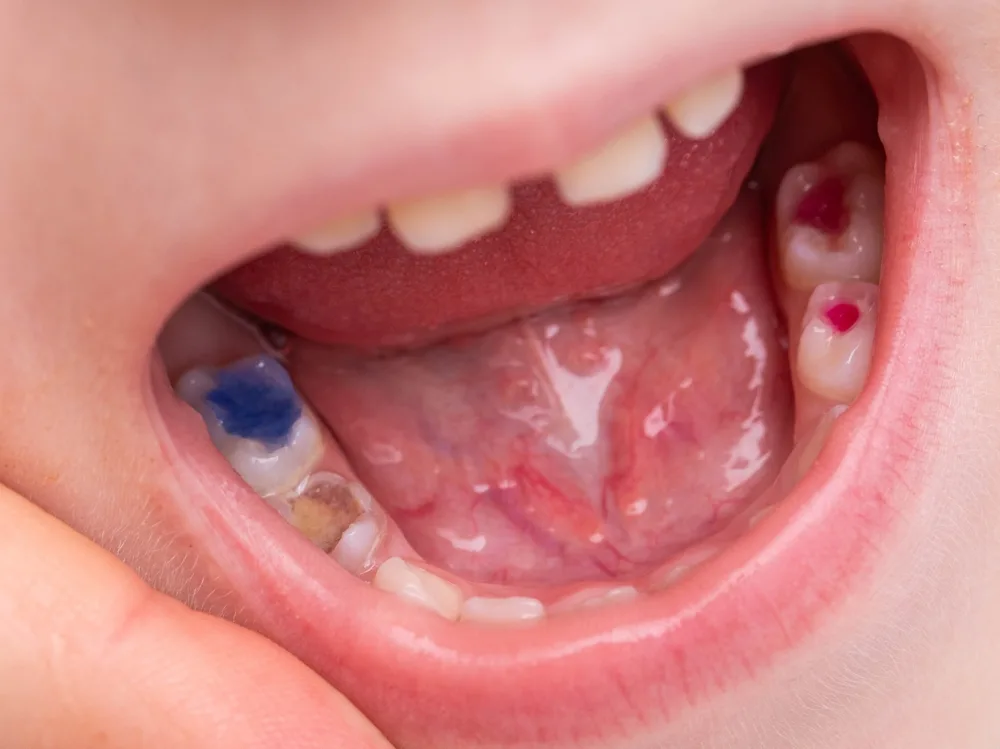
A minimally invasive filling is a conservative cavity repair that removes decayed tissue and preserves as much healthy tooth structure as possible.
This approach uses a smaller preparation when the cavity allows it. Tooth-colored composite resin bonds to the tooth, so extra healthy structure does not need to be removed for retention.
Some children need numbing, and others may not, depending on the cavity size and tooth location. Dr. Partovi will explain the comfort plan before treatment begins.
The tooth can be numbed before treatment, so your child should not feel pain during the procedure. Mild sensitivity afterward may happen for a short time.
Starlet Kids Dentistry uses tooth-colored composite resin for many minimally invasive fillings. The material is shaped and shade-matched to blend with nearby teeth.
Yes. Baby teeth can receive conservative fillings when the cavity size and tooth condition make this option appropriate.
Timing depends on the cavity size, tooth location, and your child’s comfort level. Many small to moderate fillings can be completed in a brief visit.
Daily brushing, flossing, routine dental visits, and limiting frequent sugary snacks can help protect the filling and reduce the risk of new decay.
Still have questions? Reach out now
Call Starlet Kids Dental at (818) 334-5572 for more information on booking an appointment, or fill out the form below and we will reach out to you!