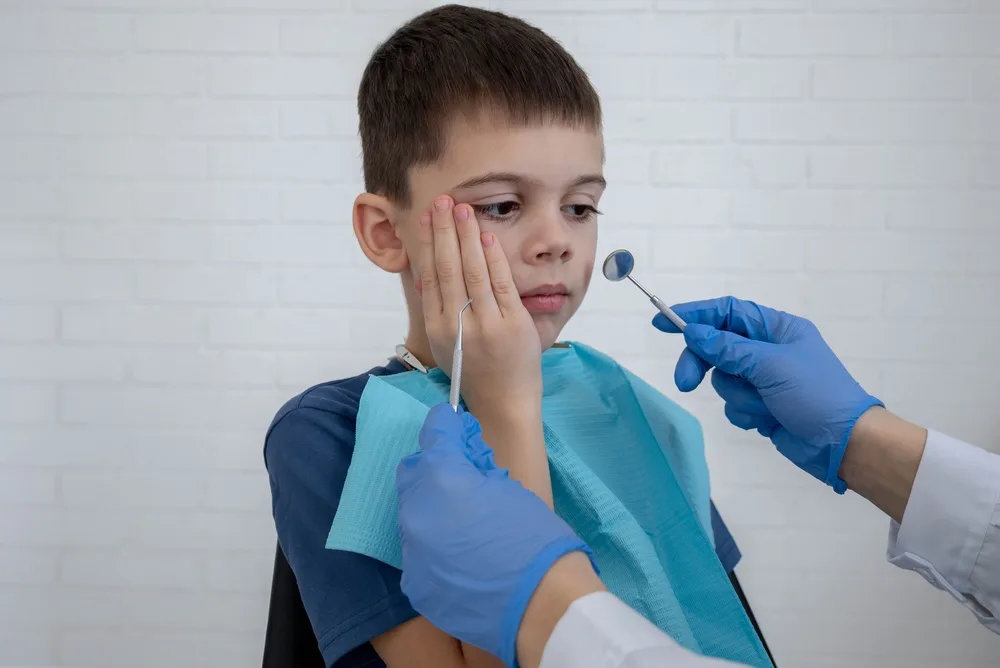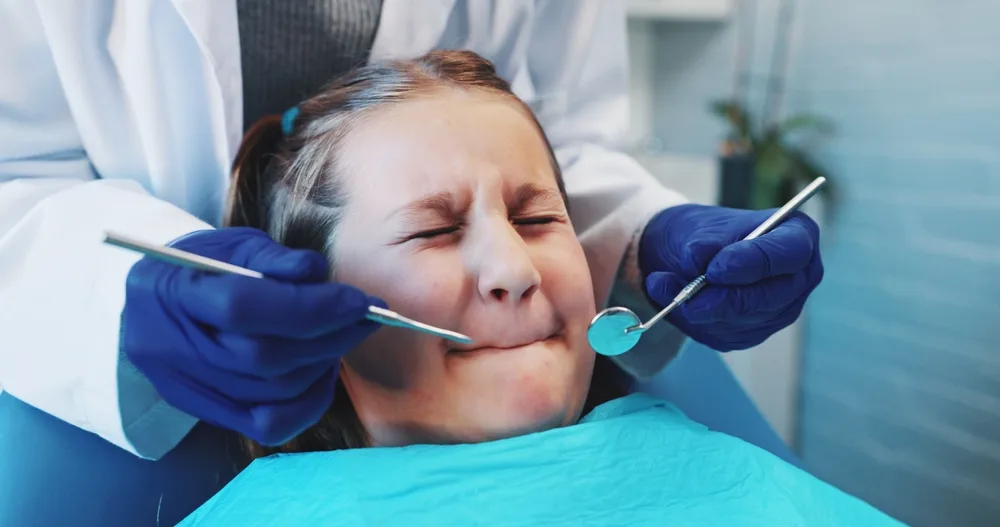
Does your child start worrying about the dentist days before an appointment? Perhaps they ask lots of questions, struggle to sit still, or become upset as soon as they reach the dental chair. Dental anxiety in children is common, and there are ways to help make visits feel easier.
Some children worry about unfamiliar sounds or sensations. Others may have had a difficult appointment in the past. For a child who needs treatment but finds dental visits overwhelming, sedation dentistry can sometimes help them feel more relaxed.
At Starlet Kids Dentistry, we take children’s worries seriously. We explain what will happen, listen to their concerns, and help parents choose care that suits their child. Our calming options include nitrous oxide, often called laughing gas, and oral sedation for suitable patients.
This guide explains how sedation works, when we may recommend it, what children can expect during treatment, and how parents can help them feel ready.
How Can Sedation Dentistry Help With Dental Anxiety in Children?
Sedation dentistry uses carefully chosen medication to help children feel calmer during dental treatment. It can help with dental anxiety in children when reassurance alone isn’t enough.
- Less worry: Children may feel more relaxed during treatment.
- Greater comfort: Sedation can make a long visit easier to manage.
- Gentler experience: Children who struggle with dental visits may find treatment easier.
- Different options: Nitrous oxide and oral sedation work in different ways.
- Personal care: We review your child’s health and treatment needs first.
Sedation isn’t needed for every child. We’ll talk through the options before recommending it.
What Is Sedation Dentistry?
Sedation dentistry uses medication to help patients relax during dental care. For children who feel very nervous, it can make sitting in the chair and having treatment more manageable. The type of medicine we choose affects how relaxed or sleepy a child may feel.
Our Dental Sedation options include nitrous oxide and oral medication for suitable children. We take time to check each child’s needs before choosing an option.
Sedation works alongside the gentle care we already provide. We still explain the treatment, answer questions, and use numbing medicine when a procedure requires it. Sedation helps with worry, while local anesthesia prevents pain in the area being treated.
Why Do Some Children Feel Anxious at the Dentist?
Children can feel nervous about dental visits for many reasons. Knowing what makes your child uneasy helps us choose the right way to support them.
Unfamiliar Sounds and Feelings
A dental chair that moves, a bright light, or the sound of cleaning tools can seem strange during a first visit. Younger children may not understand what the equipment does, so they can become worried before treatment begins.
We explain our tools in simple language and let children know what to expect. Showing a child how something works can help them feel more at ease.
Worry About Pain or Past Visits
Children may feel nervous because they remember a sore tooth or an appointment they found difficult. A friend or family member may have told them a story that made the dentist sound frightening.
We encourage parents to tell us about past experiences so we can plan a gentler approach. We’ll explain how we keep children comfortable rather than making promises about feelings we cannot predict.
Trouble Sitting Through Treatment
Some children find it hard to stay in one position for an extended period. A strong gag reflex can make dental work uncomfortable, too. Others may find the sounds, lights, or close contact overwhelming.
When these challenges make treatment hard, sedation may help. We’ll also discuss ways to make the visit more comfortable without medication.
How Does Sedation Dentistry Help Nervous Children?
Sedation can help children relax enough to receive dental care. Its benefits vary based on the medicine used and how each child responds.
Helping Children Feel More Relaxed
Nitrous oxide can ease worry while children remain awake and able to speak with us. They may feel lighter or more relaxed during the visit, which can make treatment easier to manage.
Oral sedation can provide a stronger calming effect for some children. We explain what the medicine is likely to feel like and how your child may respond before recommending it.
Making Longer Treatments Easier
A child who needs several fillings may find a longer appointment tiring. Sedation can help them stay settled while we complete the planned care.
We may discuss it during Cavity Treatments when a child needs work that would otherwise be difficult to complete. We’ll examine the teeth first and explain the treatment choices.
Supporting Children With Different Needs
Every child experiences dental visits differently. Some children have sensory needs, a strong gag reflex, or difficulty understanding what will happen next.
We listen to parents and children before making a plan. Sometimes changing the pace of an appointment helps. In other cases, we may recommend a calming medicine or discuss another way to provide care.
What Types of Dental Sedation Can Children Have?
There are different levels of sedation. At Starlet Kids Dentistry, we discuss nitrous oxide and oral sedation for suitable children. These options are not the same, so we’ll explain how each works.
Nitrous Oxide or Laughing Gas
Nitrous oxide is a gas that children breathe through a small mask over their nose. It helps many children feel calmer while they remain awake and able to respond to us.
We give the gas with oxygen and watch how your child responds. When treatment ends, we stop the nitrous oxide and give oxygen as needed. Its effects usually wear off within minutes, though we’ll check that your child feels ready before leaving.
Oral Sedation
Oral sedation involves medicine taken by mouth before treatment. It may help a child who needs more support than nitrous oxide alone can provide.
Depending on the medication and dose, a child may feel sleepy as well as relaxed. They may still be able to respond to us, but children can react differently to the same medicine. We assess the child and explain the expected level of sedation, how we monitor them, and what recovery involves.
Oral sedation can last longer than laughing gas. Your child may need to rest at home afterward, with an adult watching them until the effects have worn off.
Is Sedation the Same as General Anesthesia?
No. General anesthesia makes a patient unconscious and requires a different level of care and monitoring. Nitrous oxide and the oral sedation options we discuss are intended to help suitable children relax during treatment.
If a child needs a different level of care, we’ll explain the options and where that treatment can be provided.
How Safe Is Sedation Dentistry for Kids?
Sedation dentistry can be a safe and effective choice for suitable children when trained dental professionals follow the right steps. Before recommending medication, we review your child’s medical history, current health, medicines, and treatment needs.
We also consider their age, ability to follow instructions, and any health concerns that may affect sedation. This helps us choose an appropriate approach. During treatment, we use monitoring suited to the medication and level of sedation.
The American Academy of Pediatric Dentistry’s sedation guidelines explain the steps dental teams take before, during, and after sedation.
Some children may feel dizzy, sleepy, or sick to their stomach afterward. We’ll explain what to expect and give parents clear instructions for care at home. We want families to feel informed and comfortable asking questions before agreeing to treatment.
What Happens at a Child’s Sedation Appointment?
Knowing the plan can help children and parents feel more prepared. We explain each stage before the visit so there are fewer surprises.
Before the Appointment
We’ll talk about your child’s dental needs and what makes visits difficult for them. We review their health and explain which sedation option may help.
If oral sedation is planned, we may give instructions about food, drinks, and medicines before the appointment. Follow the directions we give for your child rather than using advice meant for someone else.
Tell us if your child becomes unwell before their visit. We can check whether the treatment plan needs to change.
During Dental Treatment
We’ll help your child get comfortable in the chair and explain what we’re going to do. If we use laughing gas, they’ll breathe through a small nose mask. If oral sedation is planned, we’ll explain when and how the medicine is given.
We watch your child throughout treatment and adjust our care to their needs. Your child may still need numbing medicine for a filling or another procedure.
Our goal is to help them receive the care they need in a calm, supportive setting.
After the Appointment
Recovery varies with the medication. Children who receive nitrous oxide often feel like themselves soon after it stops. Oral sedation may leave a child sleepy for longer.
We’ll check your child before they leave and explain how to care for them at home. Parents will know what their child can eat, when normal activities can resume, and whom to contact with questions.
How Do You Manage Dental Anxiety in Children Without Sedation?
Reducing dental anxiety in children can begin before they need any treatment. Many children feel more comfortable when dental visits become familiar.
Try using calm, simple words at home. You might say, “The dentist will count your teeth and check that they’re healthy.” Give your child time to ask questions, and avoid telling stories about painful dental visits.
Our X-ray and Dental Exam visits give us time to get to know children and explain how we check their teeth. We can show them our tools and answer their questions at their own pace.
Regular Preventive Dentistry visits can help children become familiar with dental care through routine checkups and cleanings. These visits also give us a chance to spot problems early, when care may be simpler.
Sedation is one of several ways we can help. We choose the approach based on your child’s feelings and the care they need.
When Should You Ask About Sedation Dentistry for Kids?
If your child becomes very upset before dental visits, struggles to complete treatment, or has a strong gag reflex, talk with us about sedation. It’s also worth asking if your child needs a longer procedure and you are worried about how they will cope.
Some children benefit from extra time and gentle guidance. Others may find that medication helps them relax enough to receive care. We’ll explain which choices suit your child’s needs.
Parents can ask about sedation before booking a treatment visit. That gives us time to review the options and answer questions without rushing.
Book Your Child’s Dental Sedation Consultation at Starlet Kids Dentistry
Dental anxiety in children can make appointments difficult, but there are gentle ways to help. Sedation dentistry may make treatment easier for children who need extra support, and we’ll help your family understand every option.
At Starlet Kids Dentistry, we listen to children’s worries and work with parents to plan comfortable dental care. Book your child’s dental sedation consultation with us to discuss their needs and find an approach that feels right.
Dental Anxiety and Sedation FAQs
Can laughing gas help a child who is scared of the dentist?
Yes. Nitrous oxide can help many children feel calmer during treatment while they remain awake. We’ll check whether it is suitable for your child before recommending it.
Will my child be asleep during sedation dentistry?
Not always. Children usually stay awake with nitrous oxide. Oral sedation may make them sleepy, and the effects can vary. We’ll explain what to expect with the medicine we recommend.
How do you manage dental anxiety in children before an appointment?
Use simple, positive words and let your child ask questions. Tell us what worries them so we can plan the visit around their needs. Familiar tools and gentle explanations may help them feel more comfortable.
Is sedation dentistry suitable for toddlers?
Some younger children may benefit from sedation, but age alone doesn’t tell us which option is best. We assess their health, development, and treatment needs before making a recommendation.
Can parents stay with their child during sedation?
We welcome parent involvement and will explain how you can support your child during the visit. We’ll discuss where you can stay based on the treatment and sedation plan.
Does sedation mean my child won’t feel pain?
Sedation helps children relax, but it does not always prevent pain. We may still use local anesthesia to numb the tooth during a filling or another procedure. We’ll explain how both work together.
How long will my child feel sleepy after sedation?
Nitrous oxide usually wears off within minutes. Oral sedation may cause sleepiness for several hours. We’ll give you advice based on your child’s sedation and check their recovery before they leave.