

Cavity treatment can feel difficult for young, nervous, or sensitive children. A standard filling may feel too long or too stressful for some patients. The SMART Technique may help certain children receive cavity care in a calmer, simpler way.
Starlet Kids Dentistry provides the SMART Technique for children in Granada Hills, CA. Dr. Golshid Shakouri Partovi and the team use gentle care, careful tooth evaluation, and clear parent guidance to help children manage tooth decay with less fear.
SMART stands for Silver Modified Atraumatic Restorative Technique. This treatment uses Silver Diamine Fluoride, also called SDF, and glass ionomer material to help manage selected cavities.
SDF is a brush-on liquid used to help stop active tooth decay. It is placed on the decayed area of the tooth to fight bacteria and harden weakened tooth structure. After SDF is applied, the glass ionomer material is placed over the cavity to seal and protect the tooth.
Glass ionomer is often used in children’s dentistry because it bonds to the tooth and releases fluoride over time. This can support the treated area and help protect nearby enamel.
The SMART Technique often does not require a dental drill or numbing shot. This may make treatment easier for toddlers, preschool-age children, anxious patients, or children who have trouble sitting through longer restorative visits.
This method is not right for every cavity. Dr. Partovi will examine the tooth, review the cavity size, and explain whether the SMART Technique is a good fit for your child.
Some children need cavity treatment but are not ready for traditional restorative care. The SMART Technique may be helpful when the tooth qualifies and the child needs a gentler appointment.
The dental drill can be one of the hardest parts of treatment for children. The sound, vibration, and feeling may cause fear before care begins. The SMART Technique can treat selected cavities without standard drilling. This can help children feel more relaxed and may make treatment easier to complete.
Some children feel anxious about numbing shots. This worry can make a dental visit feel more difficult for the child and parent. The SMART Technique often does not need local anesthesia. Dr. Partovi will explain what your child needs based on the cavity, tooth condition, and comfort level.
After the SDF is placed, the glass ionomer material covers the cavity. This helps seal the treated area and support the tooth during chewing. The material also releases fluoride over time. This can help strengthen the surrounding enamel and support the tooth after the appointment.
Toddlers and young children may not be able to sit through a longer filling appointment. Some children may also become upset with dental tools or new sensations. The SMART Technique is often shorter and easier to tolerate than traditional restorative care. This can help children receive needed treatment before the cavity becomes more painful.
A cavity can grow if it is not treated. Decay may begin in the outer tooth structure, then move deeper toward the nerve area. Once decay reaches the inner part of the tooth, it can cause pain, swelling, infection, or an abscess.
Children may not always describe tooth pain clearly. A parent may notice that a child avoids chewing on one side, wakes at night, refuses certain foods, or becomes upset during brushing. These signs can mean a cavity is affecting daily comfort.
If a cavity becomes severe, the tooth may need more involved care. A crown, pulp therapy, or removal may be needed if the damage spreads too far. Losing a baby tooth early can affect the space needed for the permanent tooth.
The SMART Technique may help manage selected cavities earlier, especially for children who need a less stressful option.
Starlet Kids Dentistry provides the SMART Technique in a pediatric setting focused on child comfort and parent communication. Dr. Partovi checks each tooth carefully before recommending this treatment.
The visit begins with a dental exam. Dr. Partovi checks the tooth, cavity location, gum area, bite, and any symptoms your child may have. Digital images may be reviewed when more detail is needed.
Parents can ask about SDF, glass ionomer, the dark color change caused by SDF, and possible future treatment. Dr. Partovi will explain whether the SMART Technique is appropriate for the tooth.
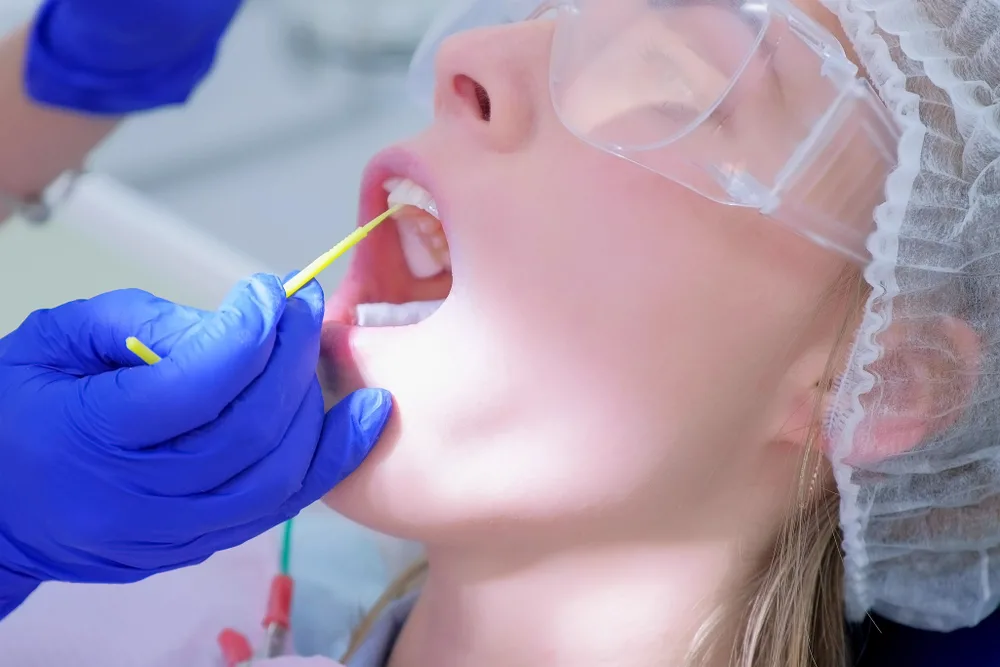
The tooth is cleaned and dried before SDF is applied. Dr. Partovi uses a small brush to place the liquid on the decayed area. SDF helps stop active decay, but it can turn the decayed part of the tooth dark. This color change is expected and will be discussed before treatment begins.
After the SDF is applied, the glass ionomer material is placed over the cavity. Dr. Partovi shapes the material so it fits the tooth and supports chewing. The glass ionomer seals the treated area and releases fluoride over time. This can help support the tooth and nearby enamel after treatment.
Your child usually will not have numbness after the visit because local anesthesia is often not needed. The team may recommend avoiding hard or sticky foods for a short time while the material settles. Follow-up care helps Dr. Partovi monitor the tooth, the glass ionomer, and the cavity response. Some teeth may need additional care later.
Parents want cavity care that fits their child’s age, comfort level, and dental needs. Starlet Kids Dentistry provides pediatric dental care with gentle methods, clear explanations, and practical support for families.
Dr. Partovi works with children who have different levels of comfort during dental care. Some children can complete standard fillings, while others need a less involved approach. The SMART Technique may be recommended when it fits the tooth and helps the child receive treatment with less distress.
Some children are more likely to develop cavities because of diet, brushing challenges, enamel concerns, or medical needs. The SMART Technique can help manage selected decay while also adding fluoride support. Dr. Partovi can discuss home care habits that may reduce the risk of future cavities.
Children often need simple explanations, patience, and a gentle pace during dental care. The team speaks in age-appropriate language and helps children understand what is happening.
A shorter and less intimidating visit can help children feel safer during treatment and more comfortable returning for future care.
Dr. Partovi speaks English, Spanish, and Farsi. This helps families ask questions, review treatment options, and understand home care instructions more clearly. Clear communication helps parents feel prepared before and after their child’s SMART Technique visit.
The SMART Technique may help children with selected cavities receive care without standard drilling, numbing shots, or a long filling appointment. It can be helpful for toddlers, anxious children, and children who need a gentler way to manage tooth decay.
Starlet Kids Dentistry provides SMART Technique treatment for children in Granada Hills, CA, with careful exams and clear parent guidance. Book your child’s SMART Technique appointment in Granada Hills, CA with Starlet Kids Dentistry today.
SMART stands for Silver Modified Atraumatic Restorative Technique. It combines Silver Diamine Fluoride with glass ionomer material to help manage selected cavities.
The SMART Technique is usually comfortable for children. It often does not require drilling or numbing, which can make the visit easier for young patients.
SDF helps stop active decay and harden weakened tooth structure. It is placed in the cavity before the glass ionomer material is added.
SDF can turn the decayed part of the tooth dark. This color change is expected and will be explained before treatment begins.
Glass ionomer is used to cover and seal the treated cavity. It also releases fluoride over time, which can support nearby enamel.
No. The SMART Technique is used for selected cavities. Dr. Partovi will examine the tooth and explain whether this method is appropriate.
Your child may need to avoid hard or sticky foods for a short time. The team will provide care instructions based on the treated tooth.
Yes. Follow-up visits help Dr. Partovi check the treated tooth, the glass ionomer material, and the cavity response over time.
Still have questions? Reach out now
Call Starlet Kids Dental at (818) 334-5572 for more information on booking an appointment, or fill out the form below and we will reach out to you!