

Children can damage teeth in many ways. A cavity may weaken enamel, a fall may chip a front tooth, or a deep crack may make chewing painful. Filling & Restorative Dentistry repairs teeth that need more support so your child can eat, speak, and smile with better comfort.
Starlet Kids Dentistry provides Filling & Restorative Dentistry for children in Granada Hills, CA. Dr. Golshid Shakouri Partovi and the team use gentle care, durable materials, and clear explanations to help parents understand each step of treatment.
Filling & Restorative Dentistry includes dental treatments that repair teeth affected by decay, injury, wear, or weak tooth structure. These treatments help restore the tooth’s shape, strength, and daily function. They also help lower the chance of pain, infection, and early tooth loss.
A filling is one of the most common restorative treatments. Dr. Partovi removes the decayed or damaged part of the tooth, cleans the area, and places a filling material. Tooth-colored composite resin is often used for fillings because it blends with the natural tooth and supports normal chewing.
Some teeth need more coverage than a filling can provide. A pediatric crown may be recommended when a tooth has a large cavity, a crack, or limited healthy structure left. Pulp therapy may be needed when decay reaches the soft inner part of the tooth. Dr. Partovi will recommend care based on the tooth, the level of damage, and your child’s age.
Baby teeth and adult teeth can both need restorative care. Baby teeth help children chew, speak, and hold space for permanent teeth. Repairing them can support healthy development until those teeth are ready to fall out naturally.
Tooth damage can start small, but it may grow over time. A tooth that is repaired early may need less involved care than a tooth with deep decay or a large fracture.
Cavities can weaken the tooth as they grow. A small cavity may be treated with a filling. A larger cavity may need more coverage to keep the tooth stable during chewing. Restorative treatment removes decay and rebuilds the damaged area. This helps protect the remaining tooth structure and may reduce the risk of pain or infection later.
Children may chip or crack teeth during sports, play, or accidents. A damaged tooth may feel sharp, sore, or sensitive. Even a small break can create a place where bacteria can collect.
Dr. Partovi can examine the tooth and choose a repair based on the size and location of the damage. Care may include bonding, a filling, a crown, or another restorative option.
Deep decay can reach the pulp, which is the inner part of the tooth. This area contains nerves and blood vessels. When the pulp becomes irritated or infected, a child may have pain, swelling, or sensitivity. Pulp therapy may be used to remove the affected tissue and help keep the tooth in place. A crown is often placed afterward to cover and protect the tooth.
Baby teeth act as guides for adult teeth. If a baby tooth is lost too early, nearby teeth may move into the open space. This can make it harder for the permanent tooth to come in properly. Restorative Dentistry can help preserve a damaged baby tooth until it is ready to come out on its normal schedule.
A damaged or decayed tooth may not hurt right away. Over time, a cavity can spread deeper, a crack can widen, or a weakened tooth can break during a meal. Advanced decay may lead to infection. A child may develop swelling, gum tenderness, bad taste, or pain that does not go away. More involved treatment may be needed if the tooth cannot be repaired with a filling.
Early loss of a baby tooth may affect future spacing. Nearby teeth can drift into the open area and reduce the room for the adult tooth. Repairing the tooth when possible may help protect chewing, speech, comfort, and smile development. Filling & Restorative Dentistry gives damaged teeth the support they need before problems become harder to treat.
Starlet Kids Dentistry provides restorative dental care in a setting made for children. Dr. Partovi and the team use simple language, gentle steps, and parent communication throughout the visit.
The visit begins with an exam of the damaged tooth. Dr. Partovi may also review digital images to see the depth of decay, the tooth roots, or how much healthy tooth structure remains. Parents can ask about fillings, crowns, pulp therapy, numbing, materials, and aftercare. Dr. Partovi explains the recommended treatment before care begins.
Children may feel unsure before restorative dental treatment. The team talks through the visit in child-friendly words and gives your child time to feel ready. The tooth and the nearby area are numbed before treatment begins. This helps your child stay comfortable while Dr. Partovi repairs the tooth.
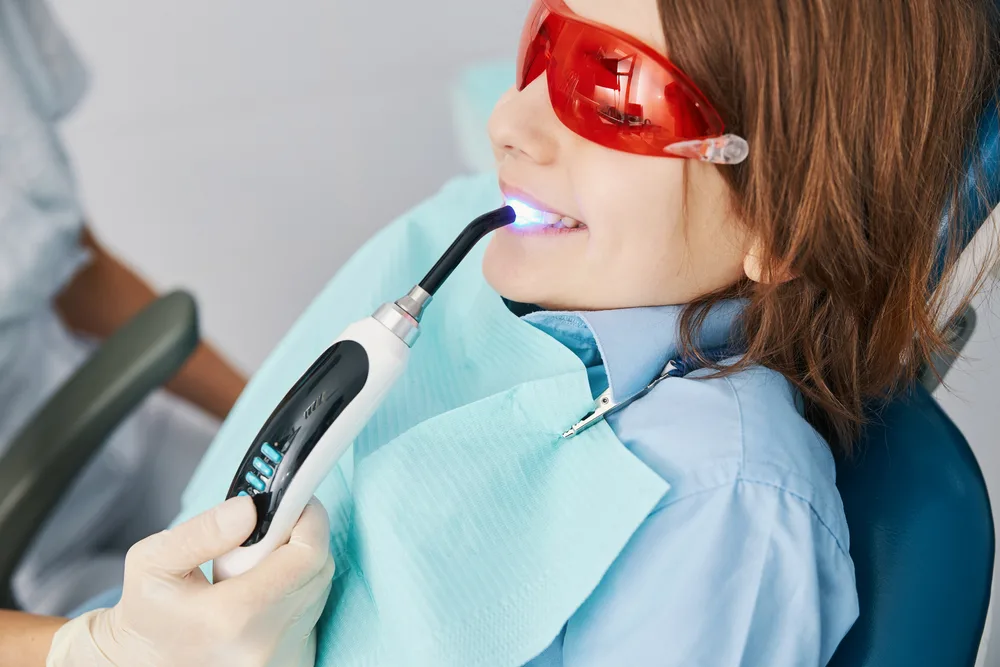
Dr. Partovi removes decay or damaged tooth structure and cleans the area. The tooth is then repaired with the material that fits the treatment plan. A filling may be shaped directly in the tooth. A crown may cover more of the tooth when extra support is needed. The team checks the bite and adjusts the restoration so your child can chew comfortably.
Your child’s mouth may feel numb for a few hours after treatment. It is best to wait until normal feeling returns before chewing. This helps prevent accidental bites to the lip, cheek, or tongue.
Some mild sensitivity may happen after restorative care. The team will explain what is expected, how to clean the restored tooth, and when to call if pain continues.
Parents want restorative care that is clear, gentle, and focused on children’s needs. Starlet Kids Dentistry provides pediatric dental treatment with attention to comfort, function, and long-term oral health.
Children’s teeth need careful treatment. Baby teeth and young adult teeth support chewing, speech, spacing, and smile growth. Dr. Partovi treats children and teens with care that fits their age, dental needs, and comfort level. The team adapts the visit so each child receives support during treatment.
Restorative materials are chosen based on the tooth and the type of damage. Tooth-colored composite may be used for many fillings. Pediatric crowns may be recommended when a tooth needs more strength. Dr. Partovi explains the material choice so parents understand how the restoration helps protect the tooth.
Dental treatment can feel unfamiliar for children. The team uses patience, calm explanations, and a gentle pace to help the visit feel more manageable. Parents stay informed, and children are treated with kindness throughout the appointment. This can help children feel better about future dental care.
Dr. Partovi speaks English, Spanish, and Farsi. This helps families understand treatment choices, aftercare steps, and home care instructions more clearly. Clear communication helps parents feel prepared to support their child after restorative dental care.
Filling & Restorative Dentistry can help repair damaged teeth, restore chewing comfort, and protect your child’s oral health. Early care may help reduce pain, infection risk, early tooth loss, and the need for more involved treatment later.
Starlet Kids Dentistry provides gentle restorative dental care for children in Granada Hills, CA. Book your child’s Filling & Restorative Dentistry appointment in Granada Hills, CA with Starlet Kids Dentistry today.
In many cases, yes. A filling, crown, or pulp therapy may help keep a baby tooth in place until it is ready to fall out naturally.
Your child should avoid chewing until numbness wears off. The team may suggest softer foods for a short time, depending on the treatment completed.
The lifespan depends on the material, the tooth, oral hygiene, diet, and regular dental visits. Many restored baby teeth last until they fall out naturally.
Parents can help by supporting daily brushing, flossing, regular dental checkups, and lower sugar intake. Dr. Partovi can give home care steps based on the type of restoration.
Filling & Restorative Dentistry means repairing teeth that have decay, chips, cracks, or other damage. Care may include fillings, bonding, pediatric crowns, or pulp therapy.
A filling may be enough for a smaller cavity. A crown may be needed when the tooth is weak, cracked, or has a larger area of damage. Dr. Partovi can explain the right option after an exam.
Yes. Materials used for children’s dental restorations are commonly used in pediatric dentistry. Dr. Partovi will explain the material recommended for your child’s tooth.
Yes. The tooth and the nearby area are numbed before treatment begins. This helps your child stay comfortable while the tooth is repaired.
Still have questions? Reach out now
Call Starlet Kids Dental at (818) 334-5572 for more information on booking an appointment, or fill out the form below and we will reach out to you!