

Tooth pain can change a child’s day quickly. A child may stop chewing on one side, complain at bedtime, avoid cold drinks, or become upset when brushing. These signs can mean decay or injury has reached the nerves and blood vessels inside the tooth.
Starlet Kids Dentistry provides Pediatric Root Canal Therapy for children and teens in Pacoima, CA. Dr. Golshid Shakouri Partovi and the team focus on careful diagnosis, pain relief, and tooth preservation, using a calm pediatric approach that helps families understand treatment before it begins.
Pediatric Root Canal Therapy treats infection or inflammation inside a child’s tooth. The soft tissue inside the tooth is called pulp. Pulp can become irritated or infected when a cavity grows deep, a tooth cracks, or trauma damages the inside of the tooth.
This treatment is different from an adult root canal because children may still have baby teeth or developing permanent teeth. In many baby tooth cases, treatment is called pulp therapy. A pulpotomy removes damaged pulp from the top part of the tooth. A pulpectomy removes pulp tissue from both the upper part of the tooth and the root canals when infection has spread further.
After the infected tissue is removed, the cleaned space is filled with a child-safe dental material. A crown is often placed over the treated tooth to restore strength and protect it during chewing. The goal is to keep the tooth comfortable, functional, and stable until it naturally falls out or until the permanent tooth is ready.
A standard filling can repair many cavities, but deeper tooth problems need a different level of care. Dr. Partovi may recommend Pediatric Root Canal Therapy when the tooth pulp has been affected.
A cavity can begin on the enamel surface and move inward if it is not treated early. Once bacteria reach the pulp chamber, the tooth may become painful, sensitive, or infected. A filling alone cannot treat the infected pulp. Pulp therapy removes the diseased tissue and helps preserve the tooth structure that remains.
Children do not always describe dental pain clearly. Some may say their mouth hurts, refuse crunchy foods, chew on one side, or wake up at night. These patterns may point to pulp inflammation or infection. Pediatric Root Canal Therapy can help remove the source of pain so your child can feel more comfortable again.
Falls, sports accidents, and bumps to the mouth can harm the pulp even when the tooth does not look badly broken. A tooth may become sensitive, darker in color, loose, or painful after trauma. Dr. Partovi can examine the tooth and decide if monitoring, repair, or pulp therapy is needed.
A gum bump, swelling, bad taste, or tenderness near a tooth can be a sign of infection. If bacteria move beyond the tooth, they can affect the surrounding bone and gum tissue. Treating the tooth promptly can reduce the risk of swelling, abscess formation, and more serious dental problems.
A tooth infection usually gets worse without dental care. Pain can become stronger, swelling can develop, and the child may struggle with meals or sleep. A small gum bump, bad taste, fever, or facial swelling can also point to infection.
Removing an infected baby tooth may be necessary in some cases, but early loss can affect spacing. Baby teeth help guide adult teeth into position. If one is lost too soon, nearby teeth may drift into the space and create crowding or alignment concerns later.
A timely exam gives Dr. Partovi a better chance to relieve pain and save the tooth. Pulp therapy can often prevent extraction when the tooth can still be restored safely.
Starlet Kids Dentistry provides pulp therapy with a child-focused process that supports both comfort and safety. Parents receive clear explanations, and children are guided with simple language throughout the visit.
The appointment begins with an exam of the tooth, gums, bite, and surrounding area. Dr. Partovi asks about pain, swelling, sensitivity, eating habits, and any injury that may have happened. Digital images may be taken to check the depth of decay, tooth roots, and bone around the tooth.
After reviewing the findings, Dr. Partovi explains the diagnosis and treatment recommendation. Parents will know if the tooth needs a pulpotomy, pulpectomy, crown, extraction, or another type of care.
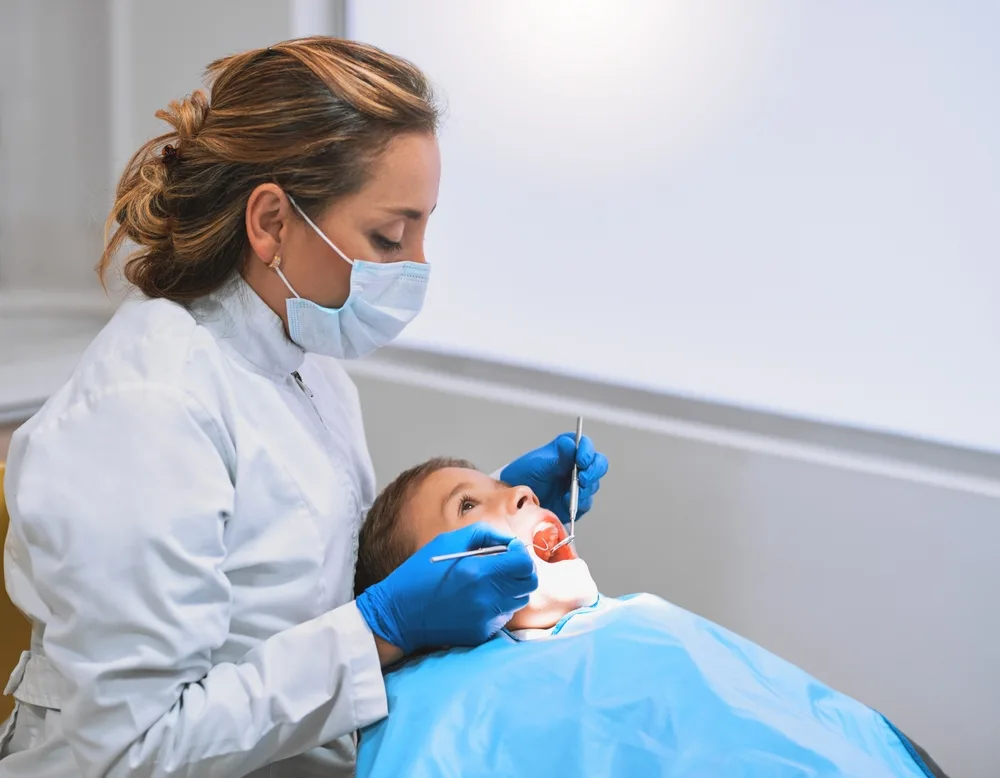
The tooth and nearby gum tissue are numbed before treatment. This helps prevent pain during the procedure. The team uses calm instructions and a steady pace so your child can feel more secure in the dental chair.
Some children may need additional support because of anxiety or difficulty sitting still. Dr. Partovi can discuss calming options if they are appropriate for the child and the planned treatment.
Dr. Partovi opens the tooth and removes the infected or inflamed pulp tissue. The treatment area is cleaned, then filled with a biocompatible dental material. The exact steps depend on how much pulp is affected. This step helps remove the infection source and supports the remaining tooth.
After pulp therapy, a crown is often placed to protect the treated tooth. Baby teeth that need pulp therapy often have larger cavities or weaker structures, so a crown helps them handle chewing.
The crown is shaped to fit the child’s bite and is meant to remain until the baby tooth naturally becomes loose. Dr. Partovi will explain how your child should eat and brush after the visit.
Parents need a dental team that can manage tooth pain, infection, and a child’s emotions during care. Starlet Kids Dentistry combines pediatric experience with steady guidance for families.
Dr. Partovi treats children with cavities, dental trauma, and pulp infections. She considers the child’s age, tooth type, symptoms, and dental development before recommending treatment. This helps families receive care that fits the tooth and the child.
Root canal therapy can sound intimidating. The team explains treatment in child-friendly words, uses effective numbing, and works with patience. A calmer visit can help children feel less afraid of future dental care.
Saving a baby tooth can help maintain chewing ability and space for the permanent tooth. Dr. Partovi recommends tooth preservation when the tooth can be restored, and keeping it benefits the child’s oral development.
Dr. Partovi speaks English, Spanish, and Farsi. This helps parents discuss symptoms, treatment choices, comfort options, and aftercare in a language that feels clear and familiar.
Pediatric Root Canal Therapy can treat infected pulp, relieve pain, and preserve a tooth that still has an important job. If your child has ongoing tooth pain, swelling, sensitivity, or a gum bump, a dental exam can help identify the next step.
Starlet Kids Dentistry provides Pediatric Root Canal Therapy in Pacoima, CA, with gentle care, clear parent guidance, and a focus on preserving teeth when possible. Book your child’s Pediatric Root Canal Therapy appointment in Pacoima, CA with Starlet Kids Dentistry today.
Pediatric Root Canal Therapy treats infected or inflamed pulp inside a child’s tooth. The affected tissue is removed, the space is cleaned, and the tooth is restored when it can be saved.
Possible signs include an ongoing toothache, swelling, pain while chewing, sensitivity, a darkened tooth, or a pimple-like bump on the gum. Dr. Partovi can confirm the cause with an exam and digital image.
The tooth is numbed before treatment, so your child should not feel pain during the procedure. Mild soreness may happen afterward and usually improves quickly.
Baby teeth help with chewing, speech, and spacing for adult teeth. Removing one too early can let nearby teeth move into the space, which may affect alignment.
A pulpotomy removes infected or inflamed pulp from the crown portion of the tooth. Healthy root tissue is left in place when the infection has not spread deeper.
A pulpectomy removes pulp tissue from the crown and root canals. This may be needed when the infection affects more of the tooth.
A crown is often recommended after pulp therapy because the tooth may be weakened by decay or treatment. The crown helps protect the tooth during chewing.
Your child may need soft foods for a short time and should brush gently around the treated area. The team will provide specific aftercare instructions before you leave.
Still have questions? Reach out now
Call Starlet Kids Dental at (818) 334-5572 for more information on booking an appointment, or fill out the form below and we will reach out to you!