


A small cavity can feel like a big concern, especially when a child is young, nervous, or unsure about dental treatment. A Minimally Invasive Filling gives many children a conservative way to repair decay while keeping more healthy tooth structure in place.
Starlet Kids Dentistry provides Minimally Invasive Filling treatment for children in Pacoima, CA. Dr. Golshid Shakouri Partovi and the team focus on careful diagnosis, gentle communication, and tooth-colored restorations that support your child’s comfort, smile, and long-term dental health.
A Minimally Invasive Filling repairs a cavity by removing the decayed part of the tooth while preserving as much healthy enamel and dentin as possible. The preparation is kept small when the cavity allows it, so the tooth does not lose more structure than needed.
After the decay is removed, a tooth-colored composite resin is bonded to the tooth. This material seals the cleaned area, restores the shape of the tooth, and blends with nearby enamel. Dr. Partovi then shapes and polishes the filling so the bite feels comfortable.
This treatment can be used for many small to moderate cavities in baby teeth and permanent teeth. It is not always the right choice for very deep decay, cracked teeth, or teeth with nerve involvement. Those cases may need a crown, pediatric pulp therapy, or another restorative option. The recommendation is based on the tooth’s condition, your child’s age, and the amount of healthy structure remaining.
A smaller filling can be helpful when decay is found early enough to treat the tooth without a larger restoration. This approach can make the visit easier for children while protecting the tooth for future chewing and development.
Healthy tooth structure is valuable. Once enamel or dentin is removed, it cannot be replaced naturally. A conservative filling allows Dr. Partovi to treat the decayed area while leaving strong, healthy parts of the tooth intact. This is especially helpful for children because baby teeth help with chewing, speech, and spacing for adult teeth.
Children may feel more comfortable when treatment is focused and efficient. A smaller filling often means the dentist can work on a more limited area. Some children may still need numbing, but the overall visit can feel more manageable when the treatment area is limited. For children who have had a difficult dental experience before, a gentler visit can build trust.
Composite resin can be selected to blend with your child’s natural tooth shade. This matters for visible teeth, but parents often appreciate natural-looking repairs on back teeth as well. The filling is shaped to restore the tooth without drawing attention to the repair.
A filling helps seal the tooth after decay is removed. The bonded composite helps block bacteria and food particles from entering the repaired area. Good home care is still needed, since fillings do not prevent new cavities from forming elsewhere. Brushing, flossing, and routine visits help keep the filling and nearby tooth structure healthy.
A cavity may start small, but decay can continue spreading if it is not treated. It can move through the outer enamel and into the softer dentin beneath it. Once decay gets closer to the pulp, the tooth may become sensitive or painful.
A larger cavity usually means more tooth structure must be removed during treatment. A tooth that could have received a small filling may later need a larger filling, crown, or pediatric root canal therapy. If infection develops, the child may have pain, swelling, or trouble chewing.
Baby teeth still play an important role, even though they eventually fall out. Severe decay in a baby tooth can affect comfort, spacing, and the health of nearby tissues. Early treatment may keep the repair smaller and help your child avoid more involved care.
Starlet Kids Dentistry provides Minimally Invasive Fillings with a child-centered approach. The team explains each step in clear language and helps parents understand the reason for the recommended treatment.
The visit begins with a careful exam of your child’s tooth. Dr. Partovi checks the cavity size, location, and depth. Digital images may be used to see areas that are not visible during the exam.
Parents can share symptoms they have noticed, such as sensitivity, food getting stuck, or chewing discomfort. Dr. Partovi will explain whether a Minimally Invasive Filling is appropriate or if another treatment would protect the tooth better.
The team helps your child understand the visit in simple, age-appropriate terms. Comfort planning may include local numbing, depending on the tooth and cavity size. The goal is to help your child stay relaxed while the tooth is repaired. The appointment is handled at a steady pace. Children can ask questions, and parents receive guidance before treatment begins.
Dr. Partovi removes the decayed tissue with precision while keeping the preparation as small as possible. After the area is cleaned, the composite resin is placed and bonded to the tooth. The material is shaped to restore the tooth’s natural contour and chewing surface. A curing light hardens the composite. Dr. Partovi checks the bite and polishes the filling so it feels smooth against the tongue and nearby teeth.
Your child may return to normal routines quickly after the appointment. Mild sensitivity can happen for a short time, especially if the cavity was deeper. Soft foods may be more comfortable for the first day if the tooth feels tender.
The team will review brushing, flossing, and diet habits. Sticky or very hard foods can place extra stress on restorations, so parents may receive specific guidance based on the filling location.
Parents want cavity care that is gentle, practical, and focused on the child’s long-term tooth health. Starlet Kids Dentistry provides conservative restorative care with clear explanations and a supportive pediatric setting.
Dr. Partovi considers the full picture before recommending a filling. Baby teeth, permanent teeth, bite pressure, cavity depth, cooperation level, and future dental development all play a role in planning care. This helps your child receive treatment that fits the tooth, not a one-size-fits-all approach.
Composite resin can restore function while blending with the smile. Dr. Partovi shapes the material so it feels comfortable during chewing and does not interfere with the bite. A well-shaped filling can help your child return to eating and brushing with confidence.
Some children worry about the sound, feeling, or length of dental treatment. The team uses calm explanations, patient pacing, and comfort-focused care to help the visit feel manageable. A positive filling appointment can help children feel less anxious about future dental visits.
Dr. Partovi speaks English, Spanish, and Farsi. This helps families ask questions, understand treatment choices, and follow aftercare instructions more clearly. Clear communication is especially helpful when parents are deciding between a filling, a crown, or another restorative option.
A Minimally Invasive Filling can repair a cavity while preserving more healthy tooth structure. Early care may help keep the treatment smaller, protect your child’s comfort, and reduce the chance of needing more involved dental work later.
Starlet Kids Dentistry provides Minimally Invasive Filling treatment for children in Pacoima, CA, with gentle care and tooth-colored materials. Book your child’s Minimally Invasive Filling appointment in Pacoima, CA with Starlet Kids Dentistry today.
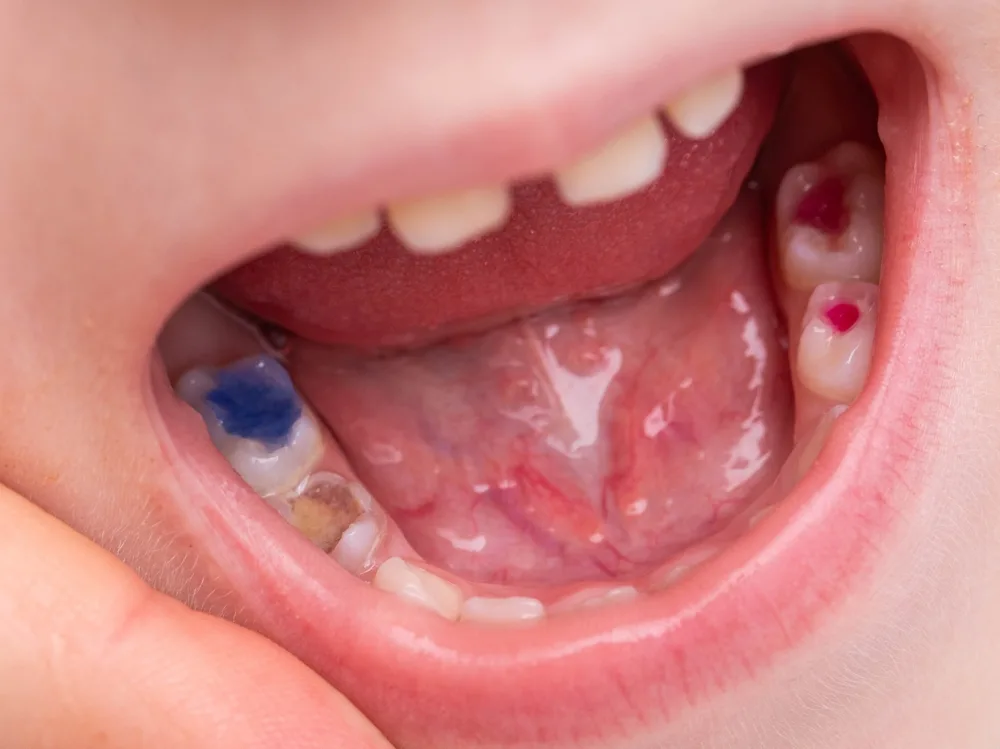
A minimally invasive filling is a conservative cavity repair that removes decayed tooth structure while preserving as much healthy enamel and dentin as possible.
Yes. Baby teeth can often be treated with this approach when the cavity is small or moderate, and the tooth has enough healthy structure remaining.
Your child may need local numbing depending on the cavity size, depth, and tooth location. Dr. Partovi will explain the comfort plan before treatment.
The time depends on the cavity and your child’s comfort level. Many small to moderate fillings can be completed in a relatively short appointment.
Tooth-colored composite resin is commonly used. It bonds to the tooth, can be shade-matched, and is shaped to restore normal tooth form.
A deep cavity may need a different treatment if it reaches the nerve or leaves the tooth too weak. Dr. Partovi will check the tooth before recommending care.
Composite resin is selected to blend with the tooth shade. Once shaped and polished, the filling can look very natural.
Daily brushing, flossing, routine dental visits, fluoride guidance, and limiting frequent sugary snacks can help lower the risk of future cavities.
Still have questions? Reach out now
Call Starlet Kids Dental at (818) 334-5572 for more information on booking an appointment, or fill out the form below and we will reach out to you!