


Teeth do not always come in straight, even when a child has healthy brushing habits and regular dental visits. Some children develop crowding as adult teeth erupt. Others have spaces, bite concerns, or teeth that come in at difficult angles. Braces can guide the teeth into better positions and support a healthier bite as your child grows.
Starlet Kids Dentistry provides Braces for children and teens in San Fernando, CA. Dr. Golshid Shakouri Partovi and the team use careful planning, regular progress checks, and clear home care guidance to help families move through orthodontic treatment with confidence.
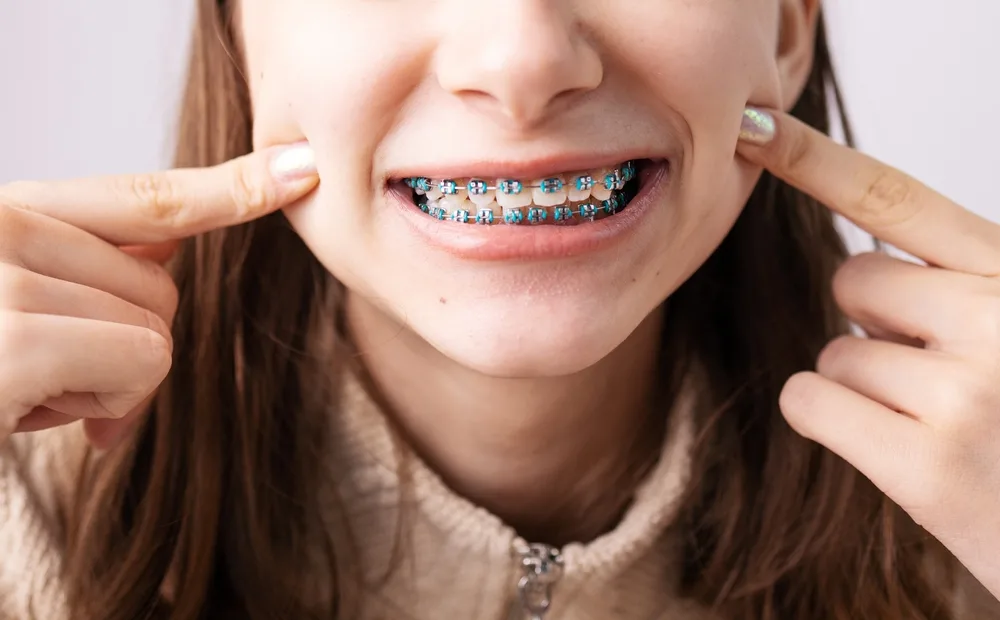
Braces are fixed orthodontic appliances that move teeth over time. They are called fixed appliances because they stay attached to the teeth during treatment. Braces usually include small brackets placed on the front surface of the teeth, a thin archwire that connects the brackets, and small elastic ties that help hold the wire in place.
The archwire applies gentle pressure to the teeth. Over time, this pressure helps guide each tooth into a better position. At follow-up visits, Dr. Partovi may adjust the wire, change elastics, check tooth movement, and review oral hygiene. These visits help keep treatment moving in the right direction.
Braces can be used for many orthodontic concerns. They may help with crowded teeth, crooked teeth, gaps, rotated teeth, overbites, underbites, crossbites, and other bite concerns. Braces are often recommended when a child or teen needs more detailed tooth movement than removable aligners can provide.
Modern braces are smaller and smoother than older styles. Many children adjust to them well after the first few days. Some soreness is normal after placement or adjustments, but the team will explain how to manage it at home.
Braces are often chosen when tooth movement needs careful control. They can guide teeth in several directions and may be helpful for children and teens with more complex orthodontic needs.
Crowding can happen when the jaw does not have enough space for all the teeth. Teeth may overlap, turn sideways, or come in higher or lower than nearby teeth. Crowded teeth can be harder to clean, especially between tight spaces and near the gumline.
Braces can help move crowded teeth into a more even arrangement. This can make brushing and flossing easier and may lower the risk of plaque buildup, gum irritation, and cavities in areas that were difficult to reach before treatment.
A bite problem means the upper and lower teeth do not meet in a balanced way. Children may have an overbite, underbite, crossbite, open bite, or another bite concern. These issues can affect chewing, speech, tooth wear, and jaw comfort.
Braces can help bring the teeth into a better relationship. In some cases, rubber bands or other appliances may be used with braces to help guide the bite. Dr. Partovi will explain the plan if your child needs bite correction as part of treatment.
Spaces between teeth can happen for several reasons, including tooth size, missing teeth, habits, jaw growth, or natural spacing patterns. Some gaps close as more adult teeth come in. Other spaces stay open and may affect the look or function of the smile. Braces can gradually close spaces by moving teeth into better contact. Closing gaps may also help prevent food from getting trapped between teeth and may support a more balanced bite.
Some adult teeth do not come in on their own as expected. A tooth may stay trapped under the gums, come in at the wrong angle, or be blocked by another tooth. Braces can sometimes help guide these teeth into place after careful evaluation. This type of orthodontic care may require imaging and close monitoring. Dr. Partovi will explain what is happening with the tooth and whether braces are part of the recommended plan.
Some alignment concerns can be watched for a while. Others may become harder to correct if treatment is postponed for too long. A careful orthodontic evaluation helps parents understand timing and treatment needs.
Severe crowding can make daily cleaning difficult. Plaque may collect around overlapping teeth, which can raise the risk of tooth decay, gum irritation, and bad breath. Bite problems can place extra pressure on certain teeth, leading to uneven wear or discomfort while chewing.
A child with a visible alignment concern may also feel self-conscious about smiling in photos, speaking in class, or taking part in social activities. Orthodontic treatment can support both oral health and smile confidence.
Delaying braces may also allow certain tooth positions or bite patterns to become more established. Treatment may still be possible later, but it may take longer or require more steps. Dr. Partovi can help determine the right timing for your child’s case.
Starlet Kids Dentistry provides orthodontic care in a child-focused setting. The team helps children and parents understand what to expect before braces are placed and throughout treatment.
The braces process begins with an evaluation of your child’s teeth, bite, jaw growth, gums, and oral hygiene. Digital X-rays, photos, scans, or impressions may be used to gather more information. These records help Dr. Partovi understand tooth position, root location, adult tooth development, and bite function.
Parents can share concerns about crowding, gaps, chewing, speech, habits, or appearance. Dr. Partovi will explain whether braces are recommended, how treatment may help, and what the expected timeline may look like.
Braces placement is not painful. The teeth are cleaned and prepared, then brackets are bonded to the tooth surfaces with dental adhesive. The archwire is placed through the brackets and held with small elastic ties. The appointment may take about an hour, depending on the case. Your child may feel pressure after the wire begins working, and the teeth may feel sore for a few days. Soft foods and age-appropriate pain relief may help during this adjustment period.
Your child will return for regular visits during treatment. These appointments allow Dr. Partovi to check progress, adjust wires, replace elastics, and monitor how the teeth are moving. Some children may need rubber bands or other attachments to help guide the bite. Visits are also a time to review brushing and flossing. Braces can trap food around brackets and wires, so careful home care is very important during treatment.
Children with braces need to brush carefully after meals and floss every day. Special tools, such as floss threaders, interdental brushes, or orthodontic flossers, can help clean around brackets and wires.
Certain foods should be limited because they can damage braces. Hard candies, sticky sweets, gum, popcorn kernels, and very hard snacks can break brackets or bend wires. If something feels loose or pokes the cheek, parents should call the office for guidance.
Families want orthodontic care that is clear, steady, and supportive. Starlet Kids Dentistry helps children and teens understand their treatment while giving parents practical guidance at each stage.
Children and teens need orthodontic care that considers growth, tooth eruption, oral hygiene, and comfort. Dr. Partovi evaluates each child’s mouth carefully before recommending braces. The treatment plan is based on the child’s bite, tooth position, development, and long-term oral health needs.
Braces can be a strong option for cases that need detailed control. Severe crowding, larger gaps, rotated teeth, and certain bite concerns may respond well to fixed appliances. Dr. Partovi will explain why braces may be recommended instead of another orthodontic option.
Braces require teamwork at home and in the office. The team helps children understand how to brush around brackets, floss under wires, choose braces-friendly foods, and handle mild soreness after adjustments. Parents receive guidance that can make treatment easier to manage between visits.
Dr. Partovi speaks English, Spanish, and Farsi. This helps families ask questions, review treatment plans, and understand home care instructions more clearly. Clear communication is helpful during braces treatment because families need to understand appointments, food limits, cleaning steps, and retainer care.
Braces can help children and teens correct crowding, spacing, bite concerns, and tooth positions that affect daily oral health. A careful evaluation can show whether braces are the right option and when treatment should begin.
Starlet Kids Dentistry provides Braces for children and teens in San Fernando, CA, with thoughtful planning, regular progress checks, and clear family guidance. Book your child’s Braces consultation in San Fernando, CA with Starlet Kids Dentistry today.
Treatment time depends on the amount of tooth movement needed. Many children and teens wear braces for 18 to 24 months, but some cases may take less or more time.
Braces placement should not hurt. Your child may feel soreness or pressure for a few days after the braces are placed or adjusted.
Your child should avoid sticky, hard, and chewy foods that can loosen brackets or bend wires. Examples include gum, caramel, hard candies, popcorn kernels, and very crunchy snacks.
Many children visit every four to eight weeks for adjustments. Dr. Partovi will recommend a schedule based on your child’s treatment plan.
Your child can still brush and floss, but the process takes more care. The team can show your child how to clean around brackets and use floss threaders or orthodontic flossers.
Call the office for guidance. A loose bracket may need to be repaired so treatment can stay on track. Orthodontic wax may help if the bracket rubs the cheek.
Yes. A mouthguard is recommended during sports to protect the teeth, lips, cheeks, and braces.
Yes. Retainers help hold the teeth in their new positions after braces are removed. Dr. Partovi will explain how often your child should wear the retainer.
Still have questions? Reach out now
Call Starlet Kids Dental at (818) 334-5572 for more information on booking an appointment, or fill out the form below and we will reach out to you!