

A damaged tooth can affect the way your child eats, speaks, brushes, and feels each day. Decay, chips, cracks, and dental injuries can weaken a tooth and allow the problem to grow if care is delayed. Filling & Restorative Dentistry helps repair the tooth and protect the healthy structure that remains.
Starlet Kids Dentistry provides Filling & Restorative Dentistry for children in San Fernando, CA. Dr. Golshid Shakouri Partovi and the team use gentle methods, durable materials, and clear explanations to help families feel prepared for restorative dental treatment.
Filling & Restorative Dentistry includes treatments that repair teeth affected by cavities, injuries, or tooth structure problems. The goal is to restore the tooth, so your child can chew, speak, and smile more comfortably.
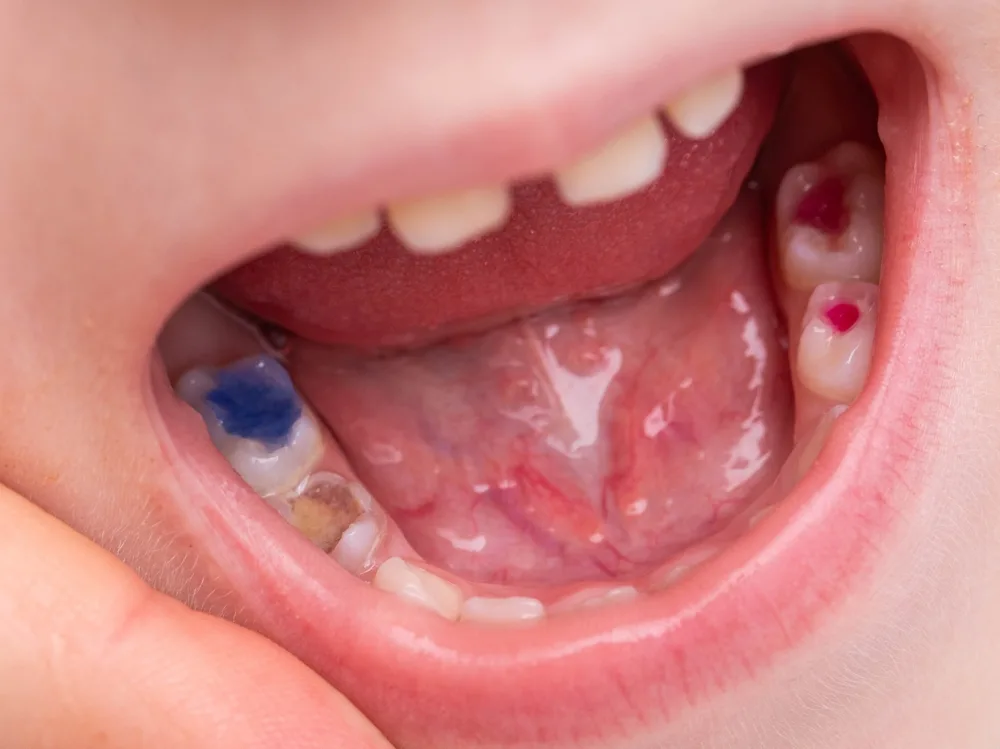
A dental filling is one common restorative treatment. During a filling, Dr. Partovi removes the damaged or decayed part of the tooth, cleans the area, and places a strong filling material. Many fillings are made with tooth-colored composite resin, which blends with the natural tooth.
Some teeth need more support than a filling can provide. If a tooth is badly weakened, Dr. Partovi may recommend a pediatric crown. If decay has reached the inner part of the tooth, pulp therapy may be needed to save the tooth. The right treatment depends on the tooth, the amount of damage, and your child’s age and comfort.
Restorative care can be used for baby teeth and adult teeth. Baby teeth are important because they help with chewing, speech, and spacing for adult teeth. Repairing them can protect your child’s oral health as their smile develops.
Children can need restorative care for many reasons. Some teeth are damaged by cavities. Others are chipped during play or sports. Some teeth may have enamel problems that make them more likely to wear down or decay.
A small cavity may only need a filling. A larger cavity can weaken the tooth and make it more likely to break. Restorative care removes decay and rebuilds the damaged area.
Repairing the tooth can help your child chew normally and may prevent the decay from reaching deeper layers.
Children can chip or crack teeth after a fall, sports injury, or accident. Even a small break can expose the tooth to bacteria or sensitivity. Dr. Partovi can examine the tooth and recommend the right repair. Treatment may include smoothing, bonding, a filling, or a crown, depending on the damage.
If decay reaches the pulp, the tooth may become painful or infected. The pulp is the soft inner part of the tooth that contains nerves and blood vessels. Pulp therapy may be used to remove infected tissue and help save the tooth. A crown may then be placed to protect the tooth from further damage.
Baby teeth are natural space holders for permanent teeth. If a baby tooth is lost too early, nearby teeth may move into the open space. This can affect how adult teeth come in later.
Restorative Dentistry can help keep a damaged baby tooth in place until it is ready to fall out naturally.
A damaged or decayed tooth can get worse with time. A cavity may spread deeper into the tooth. A small chip may become larger. A weak tooth may break during chewing.
When decay reaches the inner part of the tooth, a child may develop pain, swelling, infection, or an abscess. At that point, a simple filling may not be enough. More involved care, such as pulp therapy or tooth removal, may be needed.
Early tooth loss can also affect the way adult teeth come in. If a baby tooth is removed too soon, the nearby teeth may move and reduce the space needed for the permanent tooth. Filling & Restorative Dentistry can help repair damage early, protect tooth structure, and lower the chance of more complex dental care later.
Starlet Kids Dentistry provides restorative treatment in a pediatric setting. Dr. Partovi and the team explain each step in simple words and work at a pace that supports your child’s comfort.
The visit begins with an exam of the affected tooth. Dr. Partovi may use digital images to check the depth of decay, the tooth roots, or the amount of remaining tooth structure. Parents can ask questions about treatment options, materials, numbing, and aftercare. Dr. Partovi explains the recommended plan before care begins.
The team helps children understand what will happen during the visit. Simple explanations can reduce fear and help children feel more in control. If treatment is needed, the tooth and the nearby area are numbed. This helps your child stay comfortable while Dr. Partovi removes decay or repairs the damaged tooth.
Dr. Partovi removes damaged tissue and cleans the tooth. A filling, crown, or other restoration is then placed based on the tooth’s needs. The restoration is shaped so your child can bite and chew comfortably. The team checks the fit and polishes the restored area so it feels smooth.
After treatment, your child’s mouth may stay numb for a few hours. Your child should avoid chewing until normal feeling returns to reduce the chance of biting the cheek, lip, or tongue.
Mild sensitivity can happen after some restorative treatments. The team will explain what to expect, how to care for the restored tooth, and when to call if discomfort continues.
Families want restorative dental care that is gentle, clear, and focused on children. Starlet Kids Dentistry provides care with attention to comfort, function, and long-term oral health.
Dr. Partovi treats damaged and decayed teeth in children of many ages. Small teeth need careful care because they support chewing, speech, and future dental spacing.
The team adapts each visit to your child’s needs, age, and comfort level.
Restorative materials are chosen based on the tooth and the type of damage. Tooth-colored composite may be used for many fillings. Pediatric crowns may be used when a tooth needs more coverage and strength. Dr. Partovi explains the material choice so parents understand how the restoration protects the tooth.
Some children feel worried about fillings, crowns, or other dental procedures. The team uses patience, simple language, and gentle care to help the visit feel more manageable. Parents stay informed during the process, and children are treated with kindness at each step.
Dr. Partovi speaks English, Spanish, and Farsi. This helps families discuss treatment options, aftercare, and home care instructions in a way that feels clear. Clear communication helps parents feel ready to support their child after restorative care.
Filling & Restorative Dentistry can help repair damaged teeth, reduce discomfort, and protect your child’s growing smile. Treating decay, chips, cracks, or weakened teeth early may help your child avoid pain, infection, and early tooth loss.
Starlet Kids Dentistry provides gentle restorative dental care for children in San Fernando, CA. Book your child’s Filling & Restorative Dentistry appointment in San Fernando, CA with Starlet Kids Dentistry today.
Filling & Restorative Dentistry may include tooth-colored fillings, pediatric crowns, bonding, or pulp therapy. Dr. Partovi will recommend treatment based on the tooth, the damage, and your child’s needs.
A tooth may need more than a filling if decay is deep, the tooth is cracked, or much of the tooth structure is weak. Dr. Partovi can review the tooth and explain the most helpful option.
Yes. Tooth-colored composite fillings are commonly used in children’s dental care. They repair the tooth and blend it with the natural tooth color.
The tooth is numbed before treatment begins. This helps your child stay comfortable while Dr. Partovi repairs the tooth.
A pediatric crown may be recommended when a tooth is too damaged for a filling alone. The crown covers the tooth and helps protect it during chewing.
Yes. A restored baby tooth can still fall out naturally when the adult tooth is ready. The restoration helps protect the baby tooth until that time.
Your child should avoid chewing while the mouth is numb. The team may also suggest avoiding sticky or hard foods for a short time, depending on the treatment.
Parents can help by supporting daily brushing, flossing, regular dental visits, and fewer sugary drinks. Dr. Partovi can give home care tips based on the type of restoration.
Still have questions? Reach out now
Call Starlet Kids Dental at (818) 334-5572 for more information on booking an appointment, or fill out the form below and we will reach out to you!