

Some children feel nervous when they hear that a cavity needs treatment. The sound of a drill, the idea of a shot, or the feeling of a longer dental visit can make restorative care harder for young patients. Hall Technique Treatment gives certain children a gentler way to manage decay in baby teeth.
Starlet Kids Dentistry provides Hall Technique Treatment for children in San Fernando, CA. Dr. Golshid Shakouri Partovi and the team use careful exams, simple explanations, and child-focused care to help families understand this drill-free option.
Hall Technique Treatment is a pediatric dental method used to manage cavities in primary teeth. Primary teeth are also called baby teeth. This approach is different from a traditional filling because the decayed part of the tooth is not removed with a drill.
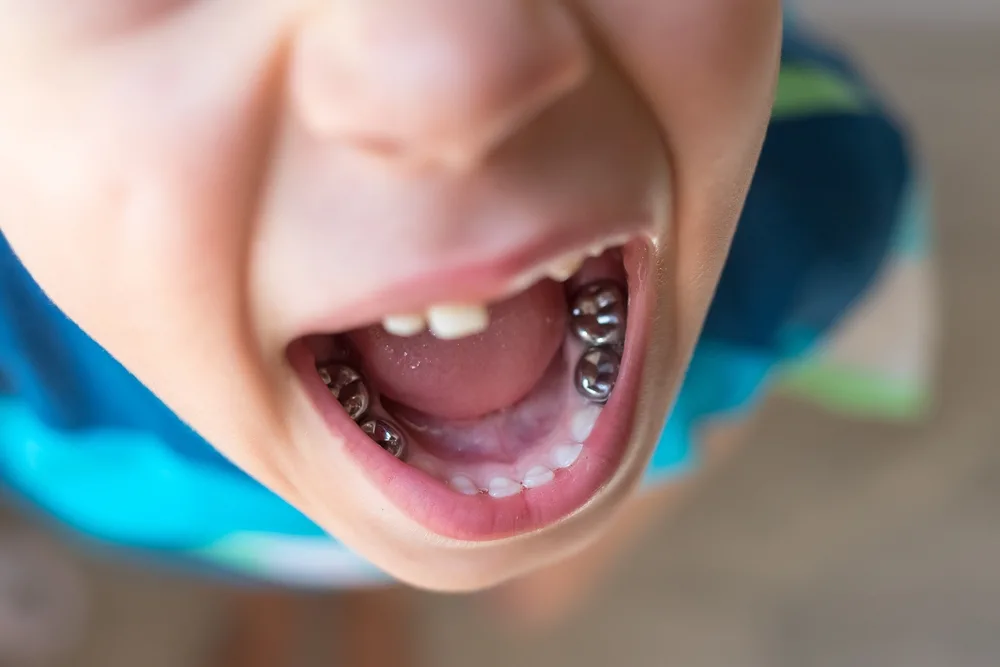
Instead, Dr. Partovi places a stainless steel crown over the baby tooth. The crown is cemented in place and creates a tight seal around the tooth. When the cavity is sealed away from food and oxygen, the bacteria inside the tooth can no longer cause damage in the same way.
This method can be helpful for children who are very young, anxious, or unable to tolerate traditional cavity treatment. It is only used when the tooth is a good match for the technique. Dr. Partovi checks the tooth, reviews any needed images, and decides whether this approach can safely protect the baby tooth until it is ready to fall out naturally.
Hall Technique Treatment is not used for adult teeth. Permanent teeth need different restorative options.
Some cavities in baby teeth can be managed without drilling or numbing. The Hall Technique may help children who need cavity care but have trouble with traditional treatment.
Many children fear the dental drill or the numbing shot more than the cavity itself. This fear can make treatment difficult for the child and parent.
Hall Technique Treatment avoids drilling into the tooth and does not require local anesthesia in many cases. This can make the visit feel more manageable for children who are afraid of dental tools or needles.
Young children may have a hard time sitting still for longer appointments. A short visit can be easier for toddlers, preschool-age children, and children with limited patience in the dental chair.
The crown placement itself is often quick once the tooth is ready. This can reduce the time your child spends in active treatment.
A stainless steel crown covers the tooth and seals the cavity. This helps cut off the bacteria from the sugars and oxygen they need to keep growing. The goal is to stop the cavity from spreading and keep the tooth comfortable. When successful, the crowned baby tooth can stay in place until it falls out on its normal schedule.
Baby teeth do more than help children chew. They also guide adult teeth into position. If a decayed baby tooth is removed too early, nearby teeth may move into the open space.
Keeping the baby tooth in place can help protect dental spacing as the mouth grows. The Hall Technique may help preserve a baby tooth that might otherwise become more painful or need removal later.
A cavity in a baby tooth can keep growing if it is not treated. The decay may move deeper into the tooth and reach the nerve area. This can cause tooth pain, swelling, infection, or an abscess.
A tooth that becomes badly infected may need more involved care. In some cases, the tooth may need pulp therapy or removal. Losing a baby tooth early can affect the way nearby teeth sit and how permanent teeth come in later.
Children may also have trouble eating, sleeping, or brushing if a cavity becomes painful. Treating the cavity early with the right method can help protect comfort and reduce the chance of emergency dental care.
Hall Technique Treatment is one option for certain baby teeth. Dr. Partovi will explain whether your child’s tooth is a good fit.
Starlet Kids Dentistry provides Hall Technique Treatment in a child-friendly setting. Dr. Partovi and the team explain each step to parents and use simple language with children.
The visit begins with an examination of your child’s teeth. Dr. Partovi may review digital images to see the size of the cavity, the tooth roots, and whether the tooth is healthy enough for this method. Parents can ask questions about the crown, the timing, and how the treatment works. Dr. Partovi will explain whether the Hall Technique Treatment or another option is the better choice.
Some children need small orthodontic separators before the crown is placed. These are tiny rubber rings that sit between the teeth for a short time. They create a little space so the stainless steel crown can fit over the tooth. Dr. Partovi will explain if separators are needed. Not every child has the same treatment steps.
When the tooth is ready, Dr. Partovi places the stainless steel crown over the baby tooth and cements it in place. The crown covers the tooth and creates the seal needed to manage the cavity. Your child may feel pressure when the crown is seated. The process is usually quick and does not involve drilling or numbing shots for the standard Hall Technique.
Your child may notice the crown at first. The bite can feel different for a short time, and the tooth may feel tight. Many children adjust within a few days. The team will explain how to brush around the crown and which foods to limit. Very sticky candies should be avoided because they can loosen dental crowns.
Parents want cavity care that protects oral health while respecting a child’s comfort. Starlet Kids Dentistry provides pediatric dental care with a focus on gentle treatment, clear communication, and long-term dental development.
Dr. Partovi treats decay in baby teeth using different restorative options. She checks whether a filling, crown, pulp therapy, extraction, or Hall Technique Treatment fits the tooth best. The treatment plan is based on the cavity, the tooth, and the child’s ability to tolerate care.
Children who fear drills or shots may benefit from a less invasive approach when the tooth qualifies. The Hall Technique can make cavity care easier for children who feel overwhelmed by traditional treatment. The team uses patience and simple explanations to help children feel more comfortable during the visit.
Baby teeth help children eat, speak, and hold space for adult teeth. Restoring a baby tooth can protect the mouth as it grows. Dr. Partovi considers your child’s current dental needs and future tooth development when recommending care.
Dr. Partovi speaks English, Spanish, and Farsi. This helps families ask questions, understand treatment choices, and follow aftercare instructions more clearly. Good communication helps parents feel prepared before and after their child’s visit.
Hall Technique Treatment can help manage certain cavities in baby teeth without the standard use of drills or numbing shots. This option may be helpful for young children, anxious children, or children who need a quicker restorative approach.
Starlet Kids Dentistry provides Hall Technique Treatment for children in San Fernando, CA, with careful exams and clear parent guidance. Book your child’s Hall Technique Treatment in San Fernando, CA with Starlet Kids Dentistry today.
Hall Technique Treatment is a way to manage decay in certain baby teeth by placing a stainless steel crown over the tooth. The crown seals the cavity and helps stop decay from spreading.
No. The standard Hall Technique does not involve drilling into the tooth. This is one reason it may be helpful for young children or children who feel nervous about dental care.
In many cases, local anesthesia is not needed for Hall Technique Treatment. Dr. Partovi will explain what your child needs based on the tooth and treatment plan.
No. Hall Technique Treatment is used for baby teeth. Adult teeth need different restorative care if they have cavities or damage.
The crown is meant to stay on the baby tooth until the tooth falls out naturally. Regular dental visits help Dr. Partovi check that the crown remains stable.
Your child may feel pressure or notice a different bite at first. Many children adjust within a few days. The team will explain what to expect after placement.
Very sticky foods and chewy candies should be limited because they can loosen a crown. Your child can usually return to normal eating once they adjust to the crown.
Dr. Partovi will examine the tooth and may review digital images. The Hall Technique works best for certain cavities in baby teeth, so not every tooth is a match.
Still have questions? Reach out now
Call Starlet Kids Dental at (818) 334-5572 for more information on booking an appointment, or fill out the form below and we will reach out to you!