

Your baby’s mouth changes quickly during the first three years. New teeth come in, eating habits change, and parents often have questions about brushing, teething, thumb sucking, and bottle use. An Infant Oral Health Exam gives your child a gentle first step into dental care.
Starlet Kids Dentistry welcomes Pacoima families with babies and toddlers who need early dental support. Dr. Golshid Shakouri Partovi checks your child’s teeth, gums, and oral growth in a simple visit that helps parents feel prepared at home.
An Infant Oral Health Exam is a dental visit for babies and toddlers age 0 to 3. This appointment gives Dr. Partovi time to look at your child’s mouth during the earliest stage of development. Baby teeth are small, but they play a large role in eating, speech, comfort, and future spacing.
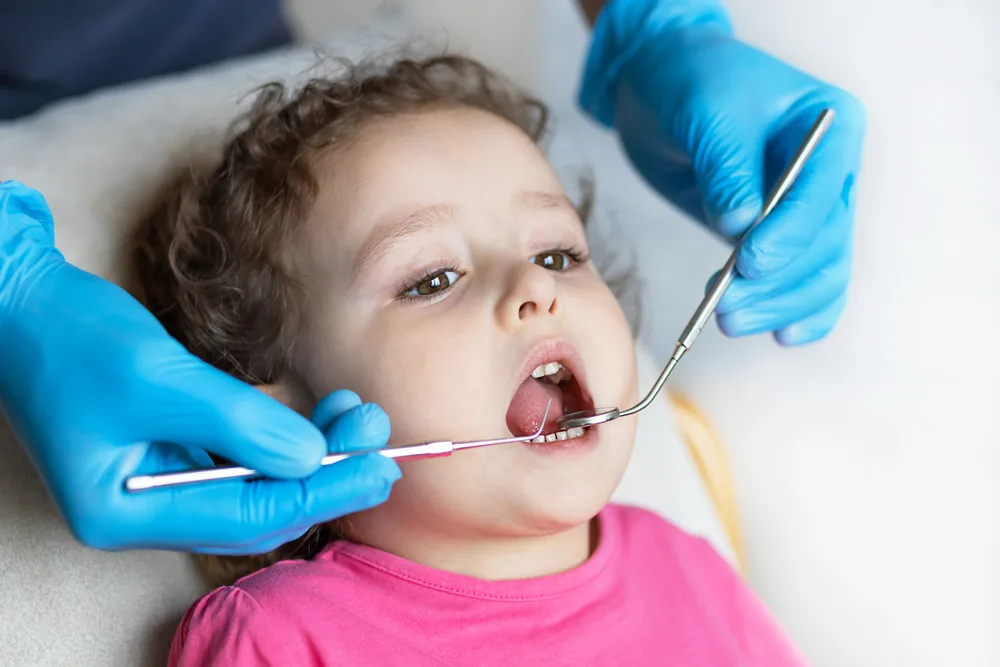
The exam is short and gentle. Your child may sit in your lap during the visit, which helps many babies and toddlers feel more secure. Dr. Partovi checks the gums, teeth, bite, jaw, tongue, and soft tissues. She looks for signs of tooth decay, irritation, delayed tooth eruption, or habits that may affect oral growth.
Parents are a key part of the visit. You can ask about feeding, teething, brushing, toothpaste, pacifiers, thumb sucking, and dental milestones. The goal is to give you clear guidance that fits your child’s age and routine.
The first dental visit can help parents find small concerns before they become painful. It can also help children get used to dental care in a calm setting. Early visits are simple, but they can make a big difference in how families care for baby teeth at home.
Baby teeth can get cavities soon after they come in. Decay can happen when teeth are exposed to milk, formula, juice, or sweet drinks often, especially near sleep time. Even a small cavity can become painful in a baby tooth.
During the exam, Dr. Partovi checks for early signs of decay and talks with parents about ways to lower cavity risk. Simple changes at home can help protect your child’s teeth and make daily care easier.
Some babies get teeth sooner than expected. Some toddlers take more time. An early dental exam allows Dr. Partovi to check tooth eruption, gum health, bite development, and jaw growth.
Tracking these changes gives parents a better idea of what is normal for their child. It may also help the dental team spot concerns that could need follow-up in the future.
Babies and toddlers do best with short, positive visits. A first visit at a young age helps your child become familiar with the dental office, the chair, and the team. The visit does not need to be long to be helpful.
Early comfort can make future cleanings and checkups easier. Parents may feel less worried too, since they know what to expect at each visit.
Many parents are unsure about how to clean a baby’s gums, when to start brushing, or how much toothpaste is safe. An Infant Oral Health Exam gives you answers based on your child’s needs.
Dr. Partovi can show you brushing tips, talk about teething comfort, and review feeding habits. This helps you build a simple home routine that supports your child’s oral health.
Waiting too long for a first dental visit can allow early tooth decay or growth concerns to go unseen. Cavities in baby teeth may cause pain, swelling, trouble eating, sleep problems, or infection. A child may not be able to explain tooth pain clearly, so parents may notice fussiness, food refusal, or changes in sleep before they notice a dental issue.
Baby teeth guide adult teeth into better positions. If a baby tooth is lost too early, nearby teeth may move into the empty space. This can lead to crowding concerns later. An early dental exam gives parents helpful information before pain or damage occurs. It is a preventive visit that supports your child’s comfort, growth, and daily health.
Starlet Kids Dentistry provides pediatric dental care for young children in a setting built around patience and trust. Dr. Partovi and the team understand that babies and toddlers need a soft voice, a gentle pace, and parent support during care.
Your child’s visit begins with a conversation. Dr. Partovi will ask about feeding, sleeping, brushing, teething, medical history, and any symptoms you have noticed. You can bring up concerns about tooth color, gum swelling, biting habits, pacifier use, thumb sucking, or nighttime bottles.
This conversation helps the team understand your child’s daily routine. It also gives you time to ask questions before the exam begins.
The exam may be completed with your child in your lap. Dr. Partovi gently checks the teeth, gums, bite, jaw, tongue, and soft tissues. She may count teeth, look for early cavities, and check how the mouth is developing.
Some babies cry during the exam. This is common and does not mean anything is wrong. The team works with care, keeps the visit brief, and helps parents comfort their child throughout the appointment.
After the exam, Dr. Partovi explains what she found in simple language. She may recommend brushing changes, a toothpaste amount, diet tips, teething support, or a follow-up schedule.
Most children return for routine visits about every six months. Some children may need a different schedule based on cavity risk, feeding habits, or growth needs. The team will guide you based on your child’s exam.
Finding the right dental office for your baby can help the whole family feel more at ease. Starlet Kids Dentistry focuses on early prevention, parent education, and kind pediatric care.
Dr. Partovi has experience caring for infants, toddlers, and children with many different needs. She understands how to examine small mouths safely and how to keep early visits simple. Her approach is gentle, patient, and based on your child’s age.
Parents often leave with questions answered and a clearer plan for home care. The team explains brushing, feeding, teething, and cavity prevention in a way that is easy to use during daily routines. This can help parents feel more confident between visits.
Young children need time, patience, and support. Parents are encouraged to stay close during the visit, and the team works at a pace that fits your child. This helps create a better first dental experience for babies and toddlers.
Dr. Partovi speaks English, Spanish, and Farsi. This helps many families ask questions and understand care instructions more clearly. Good communication can make infant dental visits feel less stressful for parents.
Your baby’s first dental visit can be simple, gentle, and useful for your whole family. An Infant Oral Health Exam gives Dr. Partovi a chance to check your child’s early oral growth and give you clear steps for home care.
Starlet Kids Dentistry is here to help Pacoima parents protect baby teeth, manage teething questions, and build healthy habits during the first years of life. Book your child’s Infant Oral Health Exam in Pacoima, CA with Starlet Kids Dentistry today.
Most children should have their first dental visit by their first birthday or within six months after the first tooth comes in. This helps the dentist check early growth and look for signs of decay.
Yes. A baby can have a dental exam after the first tooth appears. Dr. Partovi can check that tooth, look at the gums, and give you tips for cleaning your baby’s mouth at home.
It is normal for toddlers to feel unsure in a new place. Parents stay close during the exam, and the team uses a gentle approach. The visit is short, and crying is common at this age.
Most infant exams do not require X-rays. Dr. Partovi will only discuss X-rays if there is a specific concern that cannot be checked with a visual exam.
You can wipe your baby’s gums with a clean, damp cloth after feedings. Once teeth appear, a soft infant toothbrush can be used with a tiny amount of fluoride toothpaste.
Yes. Frequent bottle use, especially at bedtime, can raise the risk of cavities if milk, formula, or juice sits on the teeth for long periods. Dr. Partovi can review your child’s routine and suggest safer habits.
Thumb sucking is common in young children. Dr. Partovi can check how the habit may be affecting your child’s bite and talk with you about when it may need more attention.
Most infant dental visits are brief. The exam itself is quick, and extra time is used to talk with parents, answer questions, and review home care steps.
Still have questions? Reach out now
Call Starlet Kids Dental at (818) 334-5572 for more information on booking an appointment, or fill out the form below and we will reach out to you!