


Tongue and lip movement can affect feeding, speech, tooth spacing, and daily oral care. When a small band of tissue limits movement, children may have challenges that are easy to miss at first. Parents may notice feeding trouble, speech sounds that are hard to form, or discomfort when brushing near the upper front teeth.
Starlet Kids Dentistry provides Frenectomy treatment for children in Pacoima, CA. Dr. Golshid Shakouri Partovi and the team evaluate tongue-tie and lip-tie concerns with a careful, child-focused approach.
A frenectomy is a minor procedure that releases a tight frenum in the mouth. A frenum is a small band of tissue that connects one part of the mouth to another. In children, the two most common areas are under the tongue and inside the upper lip.
The tissue under the tongue is called the lingual frenum. When it is too tight, it can limit tongue movement. This is often called tongue-tie. The tissue that connects the upper lip to the gum above the front teeth is called the labial frenum. When it is tight or attached low on the gums, it may be called a lip-tie.
A frenectomy releases the restricted tissue so the tongue or lip can move with less pulling. The procedure may be recommended when the restriction affects feeding, speech, brushing, gum comfort, or tooth spacing.
Dr. Partovi checks the tissue, movement, symptoms, and your child’s age before recommending treatment. Some children need monitoring instead of a procedure. Others may benefit from a release when the frenum is affecting daily function.
Tongue-tie and lip-tie concerns can show up in different ways. A baby may have feeding trouble, while an older child may have speech, brushing, or spacing concerns.
A baby with tongue-tie may have trouble moving the tongue well enough to feed. During breastfeeding or bottle feeding, tongue movement helps with latch, suction, and milk transfer.
Parents may notice clicking sounds, long feeding sessions, frustration at the breast or bottle, poor milk transfer, or slow weight gain. Nursing parents may also experience pain during feeding. A frenectomy may help when a tight lingual frenum is part of the feeding difficulty.
Some speech sounds require the tongue to lift, touch the roof of the mouth, or move forward. A tight tongue attachment can limit these movements. Children with tongue-tie may have trouble with certain sounds or may develop patterns that compensate for limited tongue movement. A frenectomy may help improve the range of motion, though some children may still need speech therapy after the release.
A tight upper lip attachment can pull on the gum tissue or sit between the upper front teeth. Some children feel discomfort when the lip is lifted for brushing. This pulling can make oral care harder and may be linked to the spacing between the front teeth. Dr. Partovi can evaluate whether the lip attachment is affecting the gums, tooth position, or home care.
Children may resist brushing if the upper lip feels tight or tender when lifted. Parents may also have trouble cleaning near the gumline if the lip does not move comfortably. Releasing a restrictive frenum may make the area easier to clean. Better access can help reduce plaque buildup around the front teeth and gums.
Not every frenum needs treatment. Many children have visible tissue attachments that do not cause problems. A frenectomy is considered when the tissue restriction affects function, comfort, or development.
If a baby has a tongue-tie that affects feeding, the baby may struggle to latch or transfer milk well. Feeding may take longer and feel tiring for the baby. Parents may also feel stressed when feeding problems continue.
If tongue movement is limited during early speech development, some children may have trouble forming certain sounds. A speech therapist may help identify whether restricted movement is part of the concern. A frenectomy may be part of the care plan when the tissue limits tongue motion.
If a lip-tie affects brushing or spacing, plaque may collect near the upper front teeth. Gum irritation may also develop if the tissue pulls tightly. A careful exam helps determine whether treatment or monitoring is the better path.
Early evaluation gives parents useful information about the frenum, the timing of care, and whether other providers may be helpful.
Starlet Kids Dentistry provides Frenectomy treatment in a pediatric dental setting. The team explains the findings, the procedure, and home care instructions before treatment begins.
The visit begins with an oral exam. Dr. Partovi checks the tongue, upper lip, frenum attachments, gum tissue, tooth spacing, and how the tissue affects movement. Parents can share feeding concerns, speech concerns, brushing challenges, spacing questions, or discomfort they have noticed. For infants, parents may also discuss latch, feeding length, weight concerns, and any guidance from a pediatrician or lactation provider.
Dr. Partovi explains whether a frenectomy is recommended and why. The discussion may include the type of tie, the child’s symptoms, expected benefits, and what recovery may involve. Parents have time to ask questions. This helps families understand how the procedure may support their child’s feeding, speech, oral hygiene, or dental development.
The area is numbed when appropriate for your child’s age and treatment needs. Dr. Partovi then releases the restrictive tissue with careful technique. The procedure is usually brief. The team uses a gentle pace and age-appropriate communication to help your child feel supported.
Some soreness, swelling, or tenderness may happen after the procedure. The team will explain comfort care, cleaning, and what signs to watch for during healing. Stretching exercises may be recommended to lower the chance of reattachment. Dr. Partovi will show parents how to do the stretches and explain how often they should be completed.
Families want frenectomy care that is thoughtful, gentle, and based on the child’s real needs. Starlet Kids Dentistry provides pediatric dental care with attention to function, comfort, and parent education.
A frenectomy should be based on more than how the tissue looks. Dr. Partovi checks how the frenum affects movement, feeding, speech, brushing, gum comfort, or tooth spacing. This approach helps parents understand whether treatment is appropriate or if observation may be enough.
Children need care that fits their age and comfort level. The team explains the visit in simple language and helps children feel as calm as possible. For babies and young children, parents receive guidance before and after the procedure so home care feels more manageable.
A frenectomy may be part of a larger care plan. Babies with feeding concerns may also need help from a lactation provider or pediatrician. Children with speech concerns may need speech therapy. Children with tooth spacing may need orthodontic monitoring later. Dr. Partovi helps parents understand how frenectomy treatment fits into their child’s overall needs.
Dr. Partovi speaks English, Spanish, and Farsi. This helps families discuss symptoms, procedure details, and aftercare instructions more clearly. Good communication helps parents feel prepared before treatment and more confident with home care afterward.
Frenectomy treatment may help children with tongue-tie or lip-tie concerns that affect feeding, speech, brushing, gum comfort, or tooth spacing. A careful exam can help parents understand whether a release may help improve movement and function.
Starlet Kids Dentistry provides Frenectomy treatment for children in Pacoima, CA, with gentle care and clear parent guidance. Book your child’s Frenectomy consultation in Pacoima, CA with Starlet Kids Dentistry today.
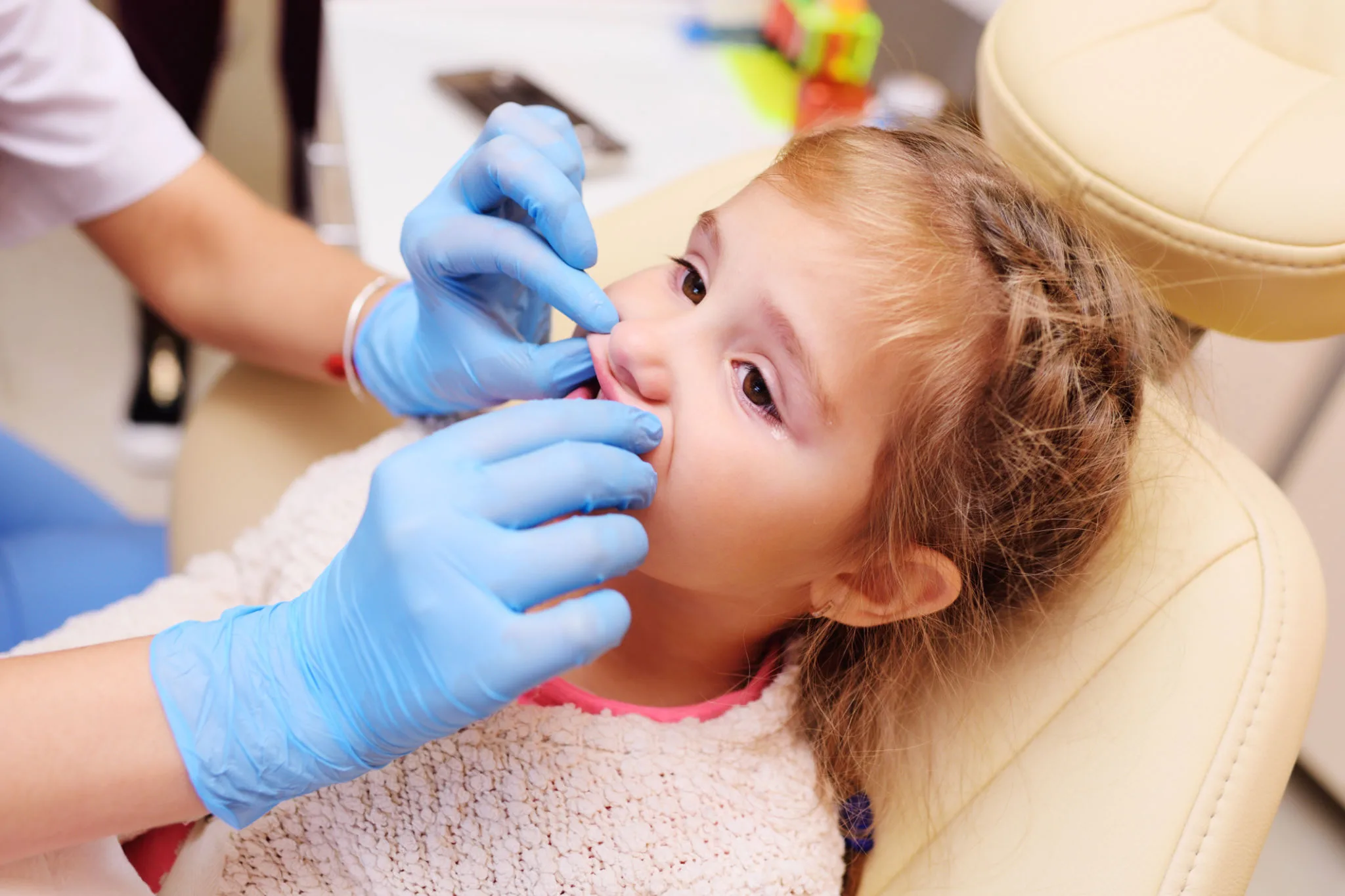
A frenectomy releases a tight band of tissue in the mouth. It may be used when tongue-tie or lip-tie affects feeding, speech, brushing, gum comfort, or tooth spacing.
Parents may notice trouble latching, clicking during feeding, long feeding sessions, frustration while feeding, or poor milk transfer. Dr. Partovi can examine the tongue and discuss the symptoms.
Yes. A tight upper lip attachment can make it harder to lift the lip and clean near the upper front teeth. Some children may feel pulling or discomfort during brushing.
No. Frenectomy treatment may be used for infants, toddlers, school-age children, or teens. The timing depends on the symptoms and the reason for treatment.
Some children benefit from speech therapy after treatment. Releasing the tissue can improve movement, but therapy may help the child build new speech patterns.
The procedure itself is usually brief. The full appointment includes the exam, preparation, treatment, and home care instructions.
Mild soreness, swelling, or tenderness can happen for a few days. The team will explain comfort care, cleaning, stretching, and signs that should be reported.
A labial frenectomy may help when a tight upper frenum contributes to spacing. Some children may still need orthodontic care depending on tooth position and growth.
Still have questions? Reach out now
Call Starlet Kids Dental at (818) 334-5572 for more information on booking an appointment, or fill out the form below and we will reach out to you!