
Teenagers often want straighter teeth, but many do not want braces to show in photos, school events, performances, sports, or daily conversations. Lingual Braces offer a discreet orthodontic option because the brackets and wires are placed behind the teeth instead of on the front surface.
Starlet Kids Dentistry provides Lingual Braces for teens in Granada Hills, CA. Dr. Golshid Shakouri Partovi and the team use careful planning, custom appliances, and clear guidance to help teens improve alignment while keeping treatment hidden from view.
Lingual Braces are fixed orthodontic appliances that sit on the tongue-facing side of the teeth. They work much like traditional braces by using brackets and wires to apply gentle pressure. Over time, that pressure moves the teeth into better positions.
The hidden placement is what makes this option different. Since the brackets are attached behind the teeth, they are not visible from the front when a teen smiles, laughs, or speaks. This can be helpful for teens who need orthodontic care but feel uncomfortable with visible brackets.
Each set of Lingual Braces is customized. The back surfaces of the teeth have different shapes and curves, so the brackets must be made to fit the individual patient. Digital scans and orthodontic planning help create the appliances and guide tooth movement with accuracy.
Lingual Braces may be used for crowded teeth, gaps, rotated teeth, and certain bite concerns. They can be a good option for teens who want a hidden treatment but still need the control of fixed braces.
Lingual Braces may be recommended when a teen needs orthodontic correction but wants treatment to stay private. Dr. Partovi will evaluate the teeth, bite, and treatment goals before recommending this option.
Some teens feel very aware of how braces might look. School photos, group activities, social events, and everyday conversations can make visible brackets feel stressful. Lingual Braces are placed behind the teeth, so they allow teens to work toward straighter teeth without front-facing hardware. This can help teens feel more comfortable during treatment. A hidden option may also reduce the hesitation some teens feel before starting orthodontic care.
Crowded teeth can overlap, twist, or erupt at difficult angles. These areas may be harder to brush and floss well, which can increase the risk of plaque buildup and gum irritation. Lingual Braces can help move crowded or rotated teeth into better positions. Since they are fixed in place, they provide steady pressure throughout the day. This makes them useful for teens who need detailed tooth movement.
Some teens have bite concerns, such as overbite, underbite, crossbite, or open bite. Bite problems can affect chewing, tooth wear, jaw comfort, and the way the teeth fit together. Lingual Braces may help correct certain bite concerns while keeping the appliance hidden. Dr. Partovi will review the bite carefully to decide if this treatment can provide the needed correction.
Clear aligners can work well for some teens, but they require a strong daily commitment. Aligners must be worn for the recommended number of hours, removed for meals, cleaned properly, and stored safely.
Lingual Braces stay attached to the teeth. Teens do not need to remember trays or worry about losing them. This can be helpful for patients who want a discreet option but need fixed appliances for more reliable wear.
Some teens delay orthodontic care because they do not want visible braces. This can allow crowding, spacing, or bite concerns to remain untreated.
Crowded teeth can be harder to clean, especially in tight areas. Food and plaque may collect around overlapping teeth, which can raise the risk of cavities, gum irritation, and bad breath. Bite problems can place extra pressure on certain teeth, causing uneven wear or discomfort while chewing.
A teen may also feel self-conscious about visible alignment issues. They may avoid smiling in photos or feel less comfortable speaking in social settings. Lingual Braces can help remove the concern about visible brackets while still supporting needed orthodontic treatment.
An orthodontic evaluation can show whether Lingual Braces are a good fit or if another treatment would be more appropriate.
Starlet Kids Dentistry provides Lingual Braces with custom treatment planning and regular follow-up care. Dr. Partovi explains the process clearly so parents and teens understand what to expect before treatment begins.
The first step is a detailed orthodontic evaluation. Dr. Partovi checks tooth position, spacing, crowding, bite function, jaw development, and oral hygiene. Digital images, photographs, scans, or impressions may be used to gather more information.
Parents and teens can share concerns about appearance, school activities, speech, sports, and daily routines. This helps Dr. Partovi decide whether Lingual Braces are practical for the teen’s needs and lifestyle.
Lingual Braces require a custom design because the brackets are placed on the back of the teeth. Digital planning helps create appliances that match each tooth surface. The wires are planned to guide tooth movement in a controlled way. This customization supports a more precise fit. Dr. Partovi will explain how the appliances are made and what the teen should expect before they are placed.
Once the custom brackets are ready, they are bonded to the back surfaces of the teeth. The wire is placed and secured so treatment can begin. The placement appointment should not be painful, but the teeth may feel sore afterward as movement starts.
Your teen will return for regular adjustment visits. During these visits, Dr. Partovi checks progress, adjusts wires, monitors comfort, and answers questions. Consistent visits help treatment continue as planned.
Lingual Braces sit near the tongue, so teens usually need time to adjust. A slight lisp, tongue soreness, or irritation may happen during the first few weeks. Orthodontic wax, soft foods, and patience can help during the adjustment period.
Cleaning also takes extra attention. Your teen will need to brush behind the teeth and clean carefully around the brackets and wires. The team will show your teen how to use helpful tools, such as floss threaders, interdental brushes, or a water flosser.
Families want orthodontic care that respects a teen’s confidence, daily life, and long-term oral health. Starlet Kids Dentistry provides careful treatment planning and support throughout the process.
Teenagers may care deeply about how orthodontic treatment looks. Lingual Braces give teens a way to straighten their teeth without visible front brackets. This can help them feel more comfortable during school, activities, and social moments. Dr. Partovi listens to appearance concerns while still focusing on the treatment that will work best for the teeth and bite.
Lingual Braces are not one-size appliances. They must be made to fit the back surfaces of the teeth and planned around the teen’s orthodontic needs. Dr. Partovi evaluates the full mouth before recommending treatment. This helps families understand whether Lingual Braces are the right option or if another orthodontic approach would be more effective.
Lingual Braces need good home care. The team gives clear instructions on brushing, flossing, food choices, orthodontic wax, and what to do if something feels loose or uncomfortable. This guidance helps teens care for their teeth while treatment is active. Parents also receive information that helps them support their teen between visits.
Dr. Partovi speaks English, Spanish, and Farsi. This helps families ask questions, review treatment details, and understand home care instructions more clearly. Clear communication is helpful during orthodontic care because families need to understand appointments, cleaning steps, food limits, comfort tips, and retainer instructions after treatment.
Lingual Braces can help teens straighten their teeth with fixed orthodontic care that stays hidden behind the smile. This option may be helpful for teens who need detailed tooth movement but do not want visible brackets during treatment.
Starlet Kids Dentistry provides Lingual Braces in Granada Hills, CA, with custom planning, steady progress checks, and clear guidance for parents and teens. Book your teen’s Lingual Braces consultation in Granada Hills, CA with Starlet Kids Dentistry today.
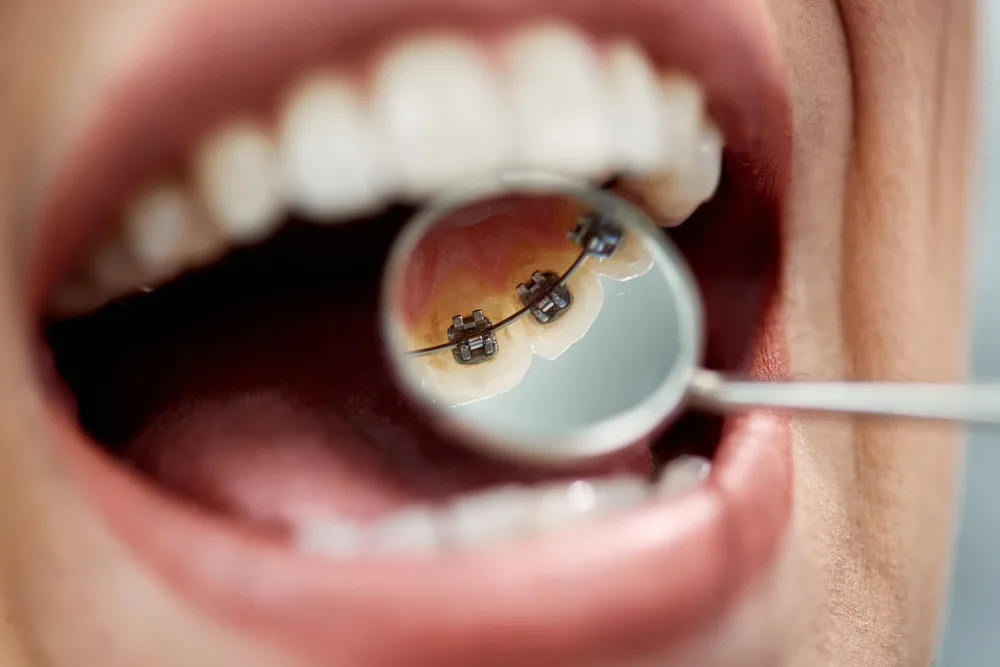
Yes. Lingual Braces are placed on the back side of the teeth, so they are not visible from the front when your teen smiles or speaks.
They use brackets and wires to move teeth over time, similar to traditional braces. The main difference is that the brackets are placed behind the teeth.
A slight lisp can happen at first because the tongue needs time to adjust to the brackets. Many teens adapt within a few weeks.
The tongue may feel sore or irritated during the first part of treatment. Orthodontic wax and soft foods can help while your teen adjusts.
Lingual Braces can help with many crowding concerns. Dr. Partovi will examine your teen’s teeth and bite to decide if they are a good match.
Your teen will need to brush carefully behind the teeth and clean around the brackets and wires. The team will demonstrate helpful tools and techniques.
One option is not automatically better than the other. Lingual Braces may be a better fit for teens who want hidden treatment but need fixed appliances or may not wear aligners consistently.
Still have questions? Reach out now