


A child’s toothache can affect meals, sleep, school, and mood. Some children can explain exactly where the pain is, but others may only avoid chewing, cry during brushing, or complain that their mouth feels sore. When decay or trauma reaches the soft tissue inside a tooth, the problem needs careful pediatric dental care.
Starlet Kids Dentistry provides Pediatric Root Canal Therapy for children and teens in Granada Hills, CA. Dr. Golshid Shakouri Partovi and the team focus on relieving discomfort, treating infection, and preserving teeth that still support your child’s oral development.
Pediatric Root Canal Therapy treats the inner part of a child’s tooth when the pulp has become infected or inflamed. The pulp contains nerves, blood vessels, and soft tissue. Deep cavities, cracks, or dental injuries can let bacteria reach this area, causing pain and swelling.
In children, this treatment is often called pulp therapy. A pulpotomy removes affected pulp from the crown portion of the tooth while keeping healthy root tissue in place. A pulpectomy removes pulp from the crown and root canals when the infection has moved deeper into the tooth.
After the damaged tissue is removed, the space is cleaned and filled with a safe dental material. A pediatric crown is commonly placed to protect the tooth and restore chewing strength. For baby teeth, the goal is to keep the tooth in place until it is ready to fall out on its natural schedule.
Pediatric Root Canal Therapy may be needed when a tooth is too damaged for a simple filling. Dr. Partovi will examine the tooth and review symptoms before recommending this treatment.
A cavity can grow through the outer enamel and into the deeper layers of the tooth. Once bacteria enter the pulp, the tooth may become painful, sensitive, or infected. A filling alone cannot remove infection inside the pulp chamber. Pulp therapy treats the source of the problem and helps save the tooth.
Some children feel pain with cold drinks, warm foods, sweets, or pressure while chewing. Short sensitivity can happen for different reasons, but lingering or repeated pain may signal pulp damage. Dr. Partovi can use an exam and digital images to see whether the nerve area has been affected.
A small bump on the gum, facial swelling, tenderness, or a bad taste may point to a dental abscess. This means the infection may have moved beyond the tooth. Prompt treatment can help prevent the infection from spreading into nearby gum, bone, or soft tissue.
A fall, sports injury, or blow to the mouth can injure the pulp. The tooth may look cracked, chipped, loose, or darker than nearby teeth. Some injuries are not obvious right away, so a dental exam is important after trauma. Pulp therapy may be recommended if the inside of the tooth cannot heal on its own.
Tooth infections usually become worse without treatment. Pain can increase, swelling can develop, and chewing may become difficult. A child may lose sleep or avoid certain foods because the tooth feels sore.
An untreated infection can damage the surrounding bone and gum tissue. In baby teeth, infection can also affect the permanent tooth developing underneath. If the tooth cannot be restored later, removal may be needed.
Losing a baby tooth too early can create spacing problems. Nearby teeth may drift into the empty space, leaving less room for the adult tooth. Timely care gives Dr. Partovi a better chance to relieve pain and preserve the tooth.
Starlet Kids Dentistry provides pulp therapy in a child-focused setting. The visit is planned around diagnosis, comfort, and clear parent communication.
The visit begins with a careful exam of the tooth, gums, bite, and surrounding area. Dr. Partovi asks about pain, swelling, sensitivity, injury, and changes in eating or brushing. Digital images may be taken to check the roots, decay depth, and bone around the tooth. Parents receive a clear explanation of the findings. Dr. Partovi will explain whether the tooth needs a pulpotomy, pulpectomy, crown, extraction, or another option.
The tooth and surrounding area are numbed before pulp therapy begins. This helps your child stay comfortable during care. The team uses simple language and a steady pace to help children feel more settled. Some children have higher anxiety or difficulty sitting for treatment. If extra calming support may help, Dr. Partovi can talk with parents about appropriate options before care begins.
Dr. Partovi carefully opens the tooth and removes the infected or inflamed pulp tissue. The amount removed depends on whether the tooth needs a pulpotomy or pulpectomy. The inside of the tooth is cleaned and filled with a biocompatible material. This step helps remove the infection source and prepares the tooth for protection.
A tooth that needs pulp therapy is often weakened by decay or injury. A pediatric crown helps shield the treated tooth during chewing and lowers the chance of fracture. The crown is shaped for your child’s bite and is designed to stay in place until the tooth naturally comes out. The team will explain eating, brushing, and follow-up care before your child leaves the office.
Families want care that is gentle, clear, and focused on the child’s long-term oral health. Starlet Kids Dentistry provides pediatric pulp therapy with steady guidance for parents and young patients.
Dr. Partovi treats deep decay, injured teeth, and dental infections in children. She considers tooth type, age, symptoms, and dental development before recommending a treatment plan. This helps match care to your child’s specific needs.
Children may feel nervous when a tooth hurts or when they hear that treatment is needed. The team uses calm words, effective numbing, and patient support to make the visit feel more manageable.
Saving a baby tooth can protect the chewing, speech support, and spacing for adult teeth. Dr. Partovi recommends pulp therapy when the tooth can be restored, and preserving it is the better choice for your child’s development.
Dr. Partovi speaks English, Spanish, and Farsi. This helps families discuss symptoms, treatment choices, aftercare, and follow-up needs with greater clarity.
Pediatric Root Canal Therapy can help treat infected pulp, reduce tooth pain, and preserve a tooth that still plays an important role in your child’s mouth. A timely evaluation can show whether pulp therapy is the right option or if another treatment is needed.
Starlet Kids Dentistry provides Pediatric Root Canal Therapy in Granada Hills, CA, with gentle care, careful diagnosis, and clear parent guidance. Book your child’s Pediatric Root Canal Therapy appointment in Granada Hills, CA with Starlet Kids Dentistry today.
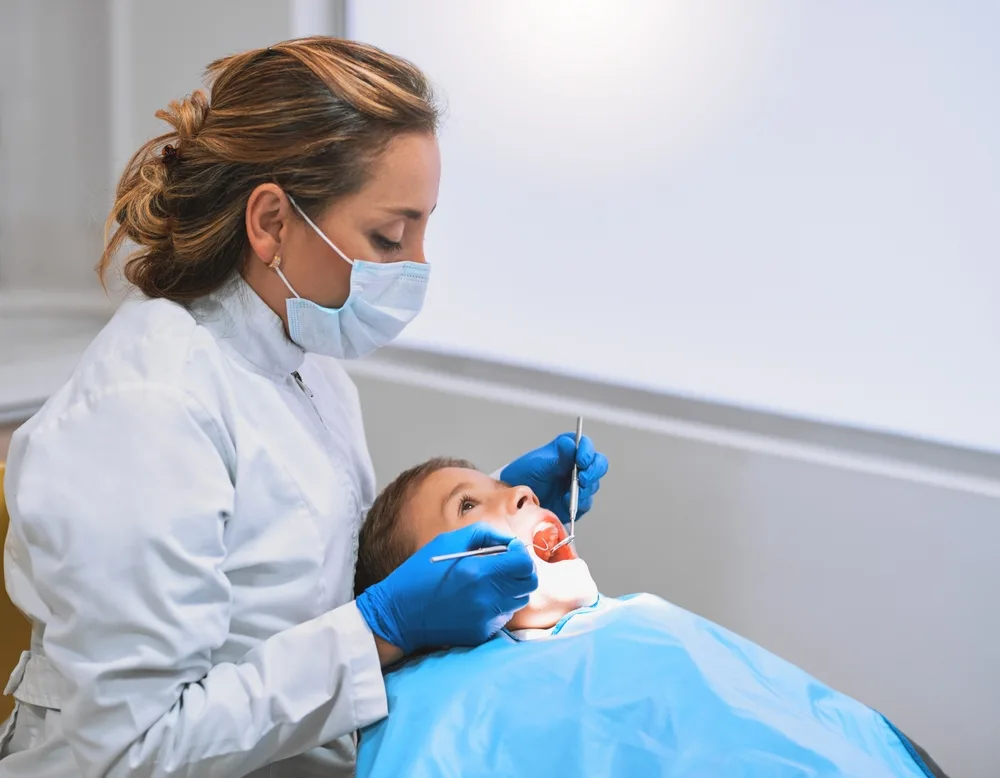
Pediatric Root Canal Therapy treats infected or inflamed pulp inside a child’s tooth. The affected tissue is removed, the space is cleaned, and the tooth is restored when it can be saved.
Signs may include ongoing tooth pain, swelling, sensitivity, pain while chewing, a darkened tooth, or a gum bump near the tooth. Dr. Partovi can confirm the diagnosis with an exam and digital image.
The tooth is numbed before treatment, so your child should not feel pain during the procedure. Mild soreness may happen afterward and is usually short-term.
A pulpotomy removes affected pulp from the crown portion of the tooth. A pulpectomy removes pulp from both the crown and root canals when the infection extends deeper.
Baby teeth help children chew, speak, and hold space for adult teeth. Saving a baby tooth can help reduce the risk of spacing concerns caused by early tooth loss.
Many children need a pediatric crown after pulp therapy. The crown helps protect the treated tooth and restore chewing function.
The timing depends on the tooth and the extent of infection. Many pediatric pulp therapy appointments take about 45 minutes to one hour.
The treated baby tooth should fall out naturally when the permanent tooth is ready. The crown and restored tooth come out together as part of normal growth.
Still have questions? Reach out now
Call Starlet Kids Dental at (818) 334-5572 for more information on booking an appointment, or fill out the form below and we will reach out to you!