


A cavity in a child’s tooth does not always call for a large repair. When decay is found early enough, a smaller and more careful filling can often restore the tooth while keeping more healthy enamel in place.
Starlet Kids Dentistry provides Minimally Invasive Filling treatment for children in Granada Hills, CA. Dr. Golshid Shakouri Partovi and the team focus on precise diagnosis, gentle treatment, and tooth-colored results that support your child’s comfort and long-term dental health.
A Minimally Invasive Filling is a conservative cavity repair that removes the decayed part of the tooth while preserving as much healthy structure as possible. The goal is to treat the cavity without making the preparation larger than needed. Once the damaged tissue is removed, the tooth is restored with a bonded filling material.
This approach often uses tooth-colored composite resin. Composite can bond directly to enamel and dentin, which allows the dentist to repair smaller areas without extra shaping for retention. The material is placed in the prepared space, shaped to fit the bite, and polished so it feels smooth.
Minimally invasive care can be used for many small to moderate cavities in baby teeth or adult teeth. Some teeth need a different plan. A very deep cavity, a cracked tooth, or a tooth with nerve involvement may need a crown, pediatric root canal therapy, or another treatment. Dr. Partovi checks the tooth carefully before recommending the right option.
A conservative filling may be recommended when a tooth has decay but still has enough healthy structure to support a smaller restoration. This kind of treatment can help repair the tooth while keeping the visit more manageable for young patients.
Healthy tooth structure cannot be replaced once it is removed. A Minimally Invasive Filling limits treatment to the damaged area whenever the cavity allows it. Keeping more enamel and dentin can help the tooth remain stronger over time. This is especially helpful for children because their teeth still support chewing, speech, spacing, and future oral development.
Children can feel nervous when they hear that they need a filling. A smaller cavity preparation may mean less drilling time and a shorter appointment. Some children still need local anesthesia for comfort, while others may need very little, depending on the cavity.
Composite resin can be matched to the color of the surrounding tooth. This helps the filling blend with the smile, which may matter on front teeth or visible chewing surfaces. A natural-looking restoration can help children feel comfortable when they talk, laugh, and smile. The filling is shaped carefully so it supports normal biting and chewing.
A filling protects the area where decay was removed. Composite bonds to the tooth and helps create a close seal. This can reduce the chance of bacteria entering around the restoration when the filling is cared for properly. Brushing, flossing, and routine checkups are still needed because new cavities can form around any filling if plaque and sugar exposure remain high.
A small cavity can grow deeper when care is delayed. Decay can move through enamel into dentin, then toward the pulp, where the nerves and blood vessels are located. Once the inner tooth is affected, a conservative filling may no longer be enough.
A child with deeper decay may develop sensitivity, pain with chewing, swelling, or an infection. Baby teeth with severe decay may be lost too early, which can affect spacing for adult teeth. Permanent teeth with untreated cavities may need larger restorations, crowns, or root canal therapy later.
Early treatment gives Dr. Partovi a better chance to use a smaller restoration. A timely Minimally Invasive Filling can help protect your child’s comfort while preserving more of the natural tooth.
Starlet Kids Dentistry provides conservative cavity treatment in a pediatric setting. Each visit is planned around the tooth, the child’s age, and the level of care needed for a safe, calm appointment.
The visit begins with an exam of your child’s teeth, gums, bite, and symptoms. Digital images may be taken when needed to see the cavity more clearly. Dr. Partovi reviews the size, location, and depth of the decay before deciding if a Minimally Invasive Filling is appropriate.
Parents can ask about the filling material, comfort options, appointment length, and aftercare. Dr. Partovi explains what she finds and why a conservative filling may fit the tooth.
Comfort planning is based on your child’s needs. The tooth may be numbed before the filling so your child does not feel pain during treatment. The team uses a patient pace and child-friendly wording to help the visit feel less stressful.
Dr. Partovi removes the decayed tissue with a precise technique that protects healthy tooth structure whenever possible. Once the cavity is cleaned, the tooth-colored composite resin is placed in layers. Each layer is hardened with a curing light. The restoration is then shaped, checked against the bite, and polished for a smooth finish.
Your child may return to normal routines soon after the appointment. Mild sensitivity can happen for a short time, especially if the cavity was deeper. The team may recommend soft foods until the tooth feels comfortable. Very hard or sticky foods should be limited at first to protect the restoration. Daily brushing, flossing, and regular dental visits help maintain the filling.
Parents want cavity care that is careful, clear, and suited to children. Starlet Kids Dentistry provides pediatric treatment that focuses on preserving tooth structure while helping young patients feel supported.
Dr. Partovi does not treat every cavity the same way. She considers the tooth type, cavity size, tooth location, bite pressure, symptoms, and your child’s ability to cooperate. This helps her recommend care that fits the tooth rather than removing more structure than needed.
Tooth-colored composite resin can restore many cavities without a dark metal appearance. Dr. Partovi chooses a shade that blends with nearby enamel and shapes the material so the tooth feels comfortable. The goal is a repair that looks natural and supports daily function.
Children need dental care that respects their age and comfort level. The team uses calm explanations and steady guidance during the visit. A positive experience can help children feel more confident about dental care in the future.
Dr. Partovi speaks English, Spanish, and Farsi. This helps families discuss diagnosis, treatment choices, comfort planning, and aftercare in a clear way. Parents can feel better prepared when they understand what is happening and how to care for the tooth at home.
A Minimally Invasive Filling can repair a cavity while helping preserve more of your child’s natural tooth structure. Early care may keep the restoration smaller and reduce the chance of pain, infection, or a more involved dental procedure later.
Starlet Kids Dentistry provides Minimally Invasive Filling treatment for children in Granada Hills, CA, with careful diagnosis, tooth-colored materials, and gentle pediatric support. Book your child’s Minimally Invasive Filling appointment in Granada Hills, CA with Starlet Kids Dentistry today.
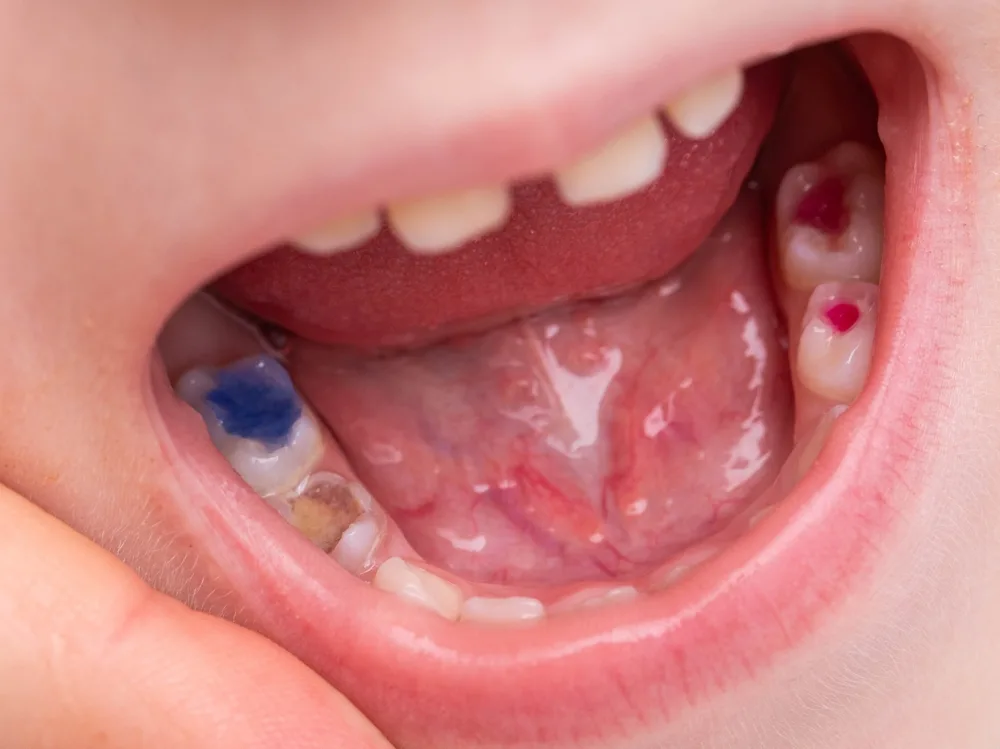
A Minimally Invasive Filling is a conservative cavity repair that removes decayed tissue while keeping as much healthy tooth structure as possible.
This approach uses a smaller preparation when the cavity allows it. Bonded composite resin helps restore the tooth without removing extra healthy structure for retention.
Some children need numbing, while others may not. The decision depends on the cavity size, tooth location, and your child’s comfort level.
Yes. Composite resin is commonly used for Minimally Invasive Fillings and can be shade-matched to blend with your child’s natural tooth color.
Yes. Baby teeth can receive conservative fillings when the cavity is small or moderate, and the tooth is healthy enough for this type of restoration.
The timing depends on the cavity and your child’s comfort. Many small or moderate fillings can be completed in a relatively brief visit.
Your child may need to avoid very hard or sticky foods for a short time. The team will give instructions based on the tooth and filling size.
Daily brushing, flossing, routine dental checkups, and limiting frequent sugary snacks can help protect the filling and lower the risk of new decay.
Still have questions? Reach out now
Call Starlet Kids Dental at (818) 334-5572 for more information on booking an appointment, or fill out the form below and we will reach out to you!