

A child’s smile changes a lot as baby teeth fall out and adult teeth come in. Some teeth may arrive crowded, tilted, rotated, or spaced farther apart than expected. A bite may also develop in a way that makes chewing, brushing, or jaw comfort more difficult. Braces can guide these changes with steady movement and careful planning.
Starlet Kids Dentistry provides Braces for children and teens in Pacoima, CA. Dr. Golshid Shakouri Partovi and the team help families understand when braces may be needed, how treatment works, and how to care for teeth during the process. The goal is to help each child build a healthier bite and a smile that is easier to maintain.
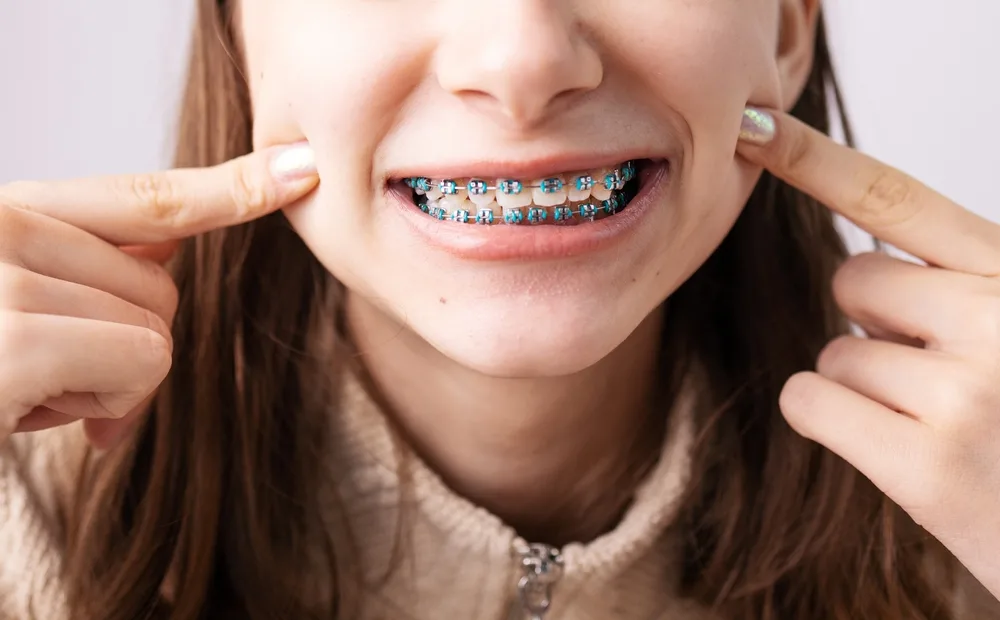
Braces are fixed orthodontic appliances that help move teeth into better alignment. Fixed means the appliance stays attached to the teeth during treatment. A braces system usually includes brackets, wires, and small elastic ties. The brackets are attached to the teeth, and the wire runs through the brackets to guide movement.
Braces work by applying light, steady pressure. This pressure helps teeth move gradually through the bone into improved positions. The movement happens over time, which is why children and teens need regular visits during treatment. At these appointments, Dr. Partovi checks progress, makes adjustments, and reviews home care.
Braces can help with many orthodontic concerns, including crowding, spaces, rotated teeth, bite problems, and teeth that need more controlled movement. They may be recommended when aligners are not the right match or when the case needs stronger guidance.
Modern braces are made with smoother, smaller materials than older versions. Children may still need a few days to adjust after placement or tightening, but soreness is usually temporary. The team will explain what to expect and how to help your child stay comfortable.
Braces may be recommended when the teeth or bite need more structure than monitoring alone can provide. Each child is different, so Dr. Partovi evaluates the teeth, jaw growth, bite, and oral hygiene before recommending treatment.
Crowding happens when there is not enough space for teeth to line up well. Teeth may overlap, turn, or come in at angles. Crowded areas can trap plaque and food, making brushing and flossing more difficult.
Braces can help move crowded teeth into a cleaner, more even arrangement. Better alignment may make daily home care easier and may reduce areas where plaque can collect. This can be helpful for children who already struggle to clean tight spaces.
A bite concern can affect how the upper and lower teeth meet. Some children have an overbite, underbite, crossbite, open bite, or uneven contact between teeth. These concerns may affect chewing, speech, enamel wear, or jaw comfort.
Braces can help guide the bite into a healthier position. Some children may also need rubber bands or other orthodontic tools during treatment. Dr. Partovi will explain the purpose of each step if bite correction is part of your child’s plan.
Some spaces between teeth are part of normal growth. Larger gaps may stay open or affect how teeth contact each other. Spaces can also trap food or affect the appearance of the smile.
Braces can bring teeth closer together in a controlled way. Closing spaces may improve tooth contact, bite balance, and smile appearance. Dr. Partovi will check the cause of the spacing before recommending braces.
Some adult teeth do not come in where they should. A tooth may be blocked, angled, or delayed under the gums. In some cases, braces can help guide a tooth into the dental arch.
This type of care requires careful imaging and planning. Dr. Partovi may monitor eruption patterns and explain whether braces can help bring a tooth into a more useful position.
Some orthodontic concerns are mild and may only need observation. Others can become more difficult to manage as the mouth grows. An evaluation helps parents understand whether treatment should begin soon or whether it can be monitored.
Crowded teeth may become harder to clean as adult teeth settle into place. Plaque buildup around overlapping teeth can raise the risk of cavities, gum irritation, and bad breath. Bite problems may place extra stress on certain teeth, which can lead to uneven wear.
Spacing or tooth eruption concerns may also affect the way nearby teeth move. A tooth that does not come in correctly may crowd other teeth or leave gaps that do not close on their own. Children and teens may also feel less comfortable smiling if tooth alignment affects their confidence.
Early assessment does not always mean braces begin right away. It gives families a clearer view of timing, treatment choices, and the steps that may protect oral health as the child grows.
Starlet Kids Dentistry provides braces care in a pediatric setting. Dr. Partovi and the team explain the process in simple terms so children and parents know what to expect before treatment starts.
The first step is an orthodontic evaluation. Dr. Partovi checks the teeth, bite, gums, jaw growth, and oral hygiene. Digital X-rays, photos, scans, or impressions may be used to understand tooth position and root location.
Parents can ask about treatment length, appliance choices, home care, food limits, and cost-related questions. Dr. Partovi will explain whether braces are recommended and what the main treatment goals are for your child.
Placing braces should not be painful. The teeth are cleaned and prepared, then the brackets are attached with dental adhesive. The wire is placed through the brackets and secured. This visit can take about an hour, depending on the treatment plan.
Your child may feel pressure after the braces are placed. Soft foods can help during the first few days. Mild soreness after placement or later adjustments is common and usually improves quickly.
Regular visits help Dr. Partovi monitor progress and make needed changes. The wire may be adjusted or replaced, elastics may be changed, and bite movement may be checked. These appointments help guide the teeth toward the planned positions. The team may also review brushing and flossing at these visits. Braces create more places for food and plaque to collect, so daily cleaning is a major part of successful treatment.
Home care matters throughout braces treatment. Children should brush carefully around brackets and along the gumline. Flossing may take extra time, but floss threaders, interdental brushes, and orthodontic flossers can help.
Food choices also matter. Sticky, hard, and very chewy foods can loosen brackets or bend wires. If a wire pokes the cheek or a bracket comes loose, parents should contact the office for guidance.
Families need braces care that is organized, supportive, and realistic for children. Starlet Kids Dentistry helps children and teens understand their role in treatment while keeping parents informed at each stage.
Children’s teeth and jaws are still developing. Dr. Partovi considers tooth eruption, jaw growth, bite function, and oral hygiene before recommending braces. This helps create a treatment plan that fits your child’s age, needs, and dental development.
Braces can be useful when teeth need controlled movement. Rotated teeth, crowded arches, bite concerns, and larger spaces may need the steady guidance that brackets and wires provide. Dr. Partovi will explain why braces may be recommended over another option.
Braces require cooperation at home. The team gives children practical instructions about brushing, flossing, food choices, and what to do if something feels uncomfortable. Parents receive guidance that helps them support the treatment between appointments.
Dr. Partovi speaks English, Spanish, and Farsi. This helps families discuss treatment plans, appointment schedules, home care, and retainer instructions with more clarity. Strong communication can make braces treatment easier for both parents and children.
Braces can help children and teens improve crowded teeth, spacing, bite alignment, and tooth position. A detailed evaluation can show whether braces are the right choice and when treatment should begin.
Starlet Kids Dentistry provides Braces for children and teens in Pacoima, CA, with careful planning and ongoing support for families. Book your child’s Braces consultation in Pacoima, CA with Starlet Kids Dentistry today.
Many children benefit from an orthodontic evaluation around age seven. Treatment may not start at that age, but the visit helps Dr. Partovi monitor tooth eruption and jaw growth.
Treatment time depends on the tooth movement needed. Many children and teens wear braces for 18 to 24 months, but the timeline can vary.
Braces placement should not be painful. Soreness or pressure can happen after placement or adjustments, and it usually improves within a few days.
Soft foods are usually easier during the first few days. Soup, pasta, eggs, yogurt, smoothies, and soft fruit can be helpful while the teeth adjust.
Sticky, hard, and chewy foods can loosen brackets or bend wires. Gum, caramel, hard candy, popcorn kernels, and very crunchy snacks should be avoided.
Your child should brush around each bracket, clean near the gumline, and floss daily. The team can show your child how to use floss threaders or orthodontic cleaning tools.
Orthodontic wax can cover the sharp area temporarily. Parents should call the office so the team can explain the next step or schedule a repair.
Yes. Retainers help hold the teeth in their new positions after braces are removed. Dr. Partovi will explain the retainer schedule after treatment.
Still have questions? Reach out now
Call Starlet Kids Dental at (818) 334-5572 for more information on booking an appointment, or fill out the form below and we will reach out to you!